
 4 weeks ago
23
4 weeks ago
23
The emo to EDM pipeline is more circular than linear. The two sounds and cultures intertwine in unexpected yet undeniable ways.
To a passive observer, the emo and EDM scenes might look like two completely different worlds. Emo is a broad cultural label referring to a dark, angsty aesthetic, and a loose umbrella for the kind of live, guitar-forward bands who used to play Warped Tour. By contrast, raving is bright and cheerful, with festivals that resemble adult playgrounds and DJs spinning music on CDJs. On the surface, they couldn’t be more different.
But a visit to a modern EDM festival tells a different story. Attendees sport black clothing and matching eyeliner, brightly colored hair, and EDM jerseys — the raver’s equivalent of an emo kid’s band tee — and form mosh pits and walls of death. The music shows signs of cross-pollination as well. Beloved bass artists like Illenium, SLANDER, and Excision blast out tracks with seismic drops but clear emo sensibilities: live guitars and drums, screaming vocals, and features from well-known emo artists.
It’s a running joke in EDM circles that many of us bassheads were once emo kids, but the similarities between emo and EDM extend far beyond the fans. The emo to EDM pipeline is a familiar phenomenon, but what people don’t know is that it’s more of a circle than a spectrum. Commonalities can be found across both scenes, from their comparable origins and shared values to their cross-genre artist influences. Their respective music and cultures strongly mirror each other.
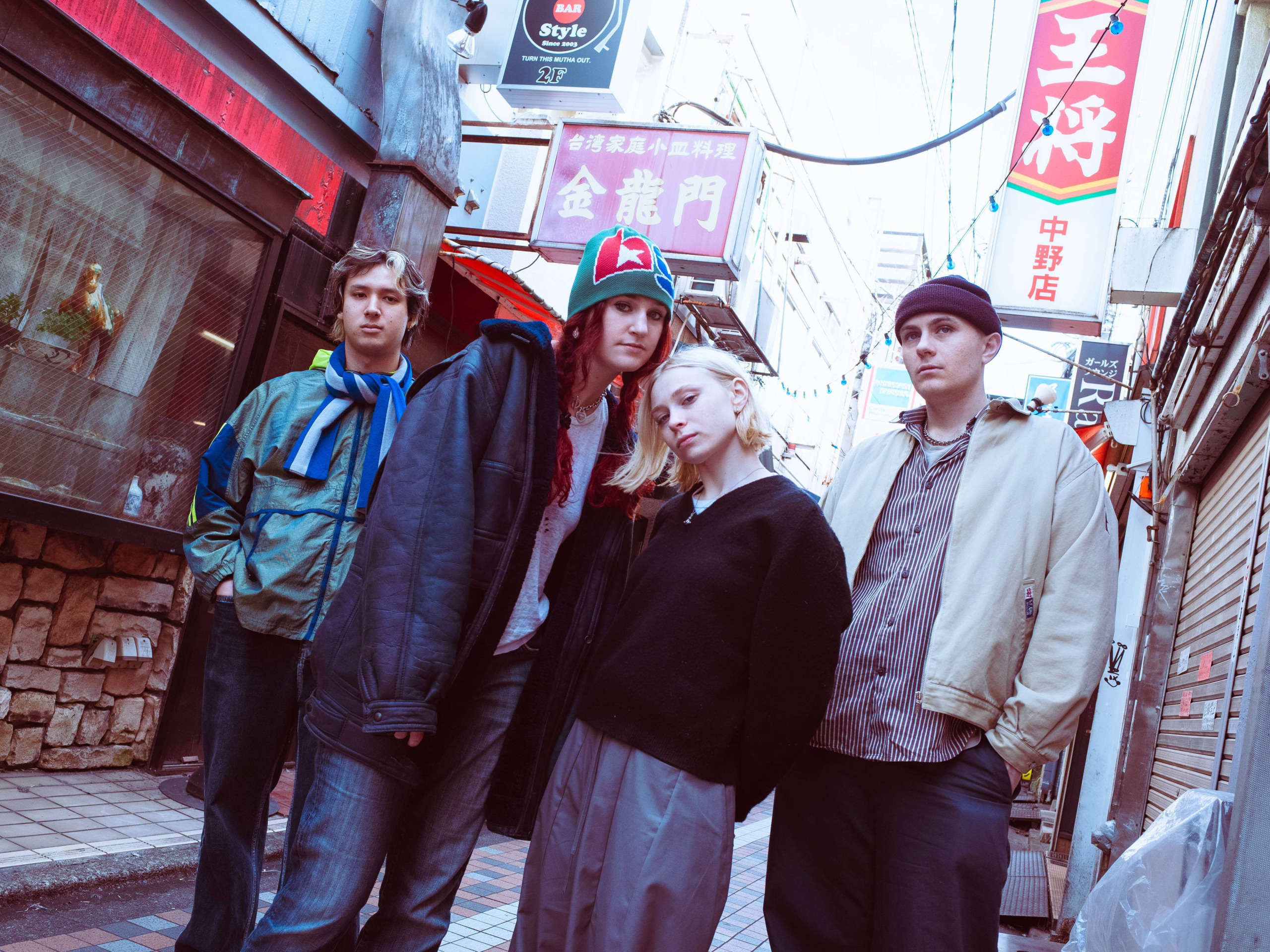
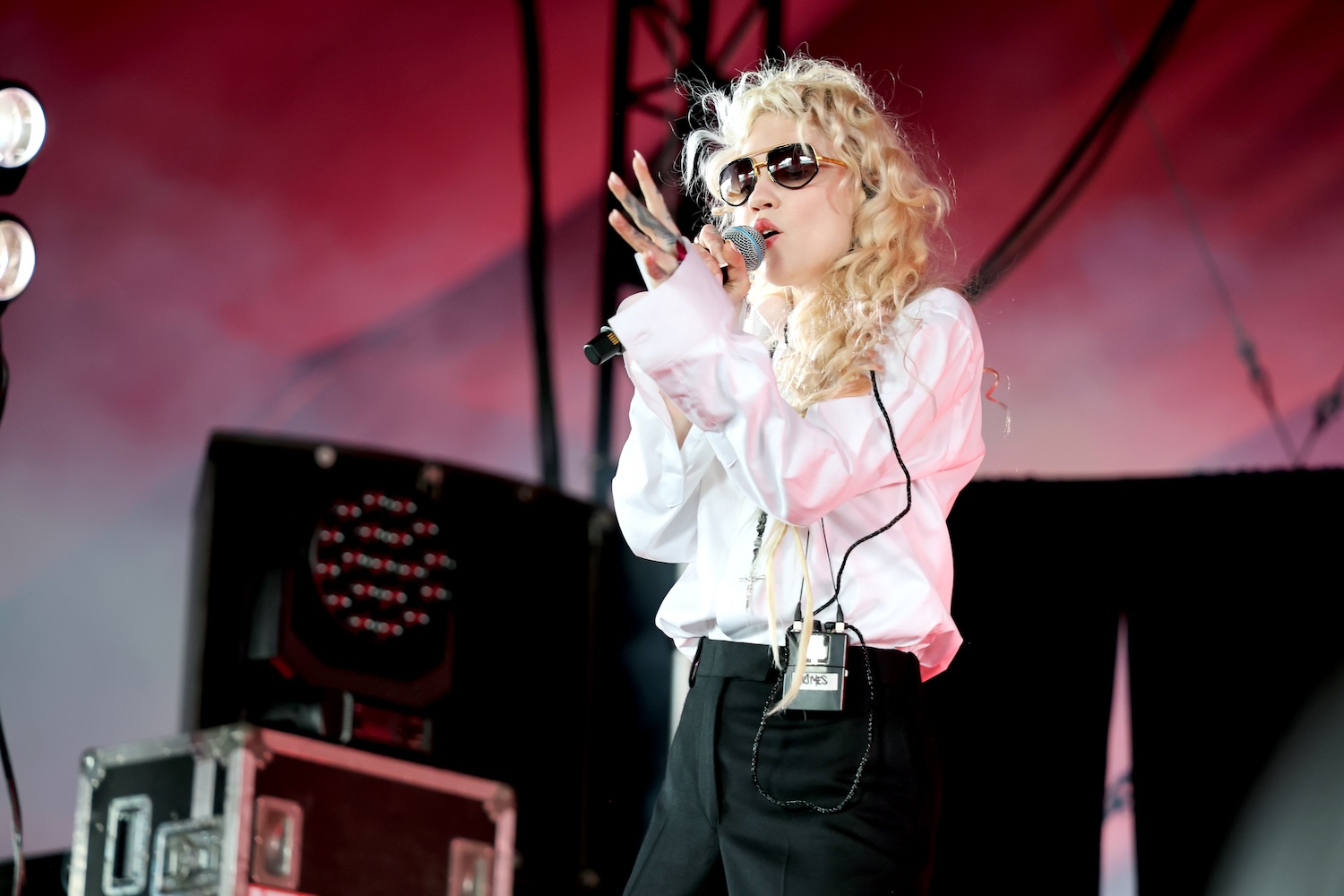
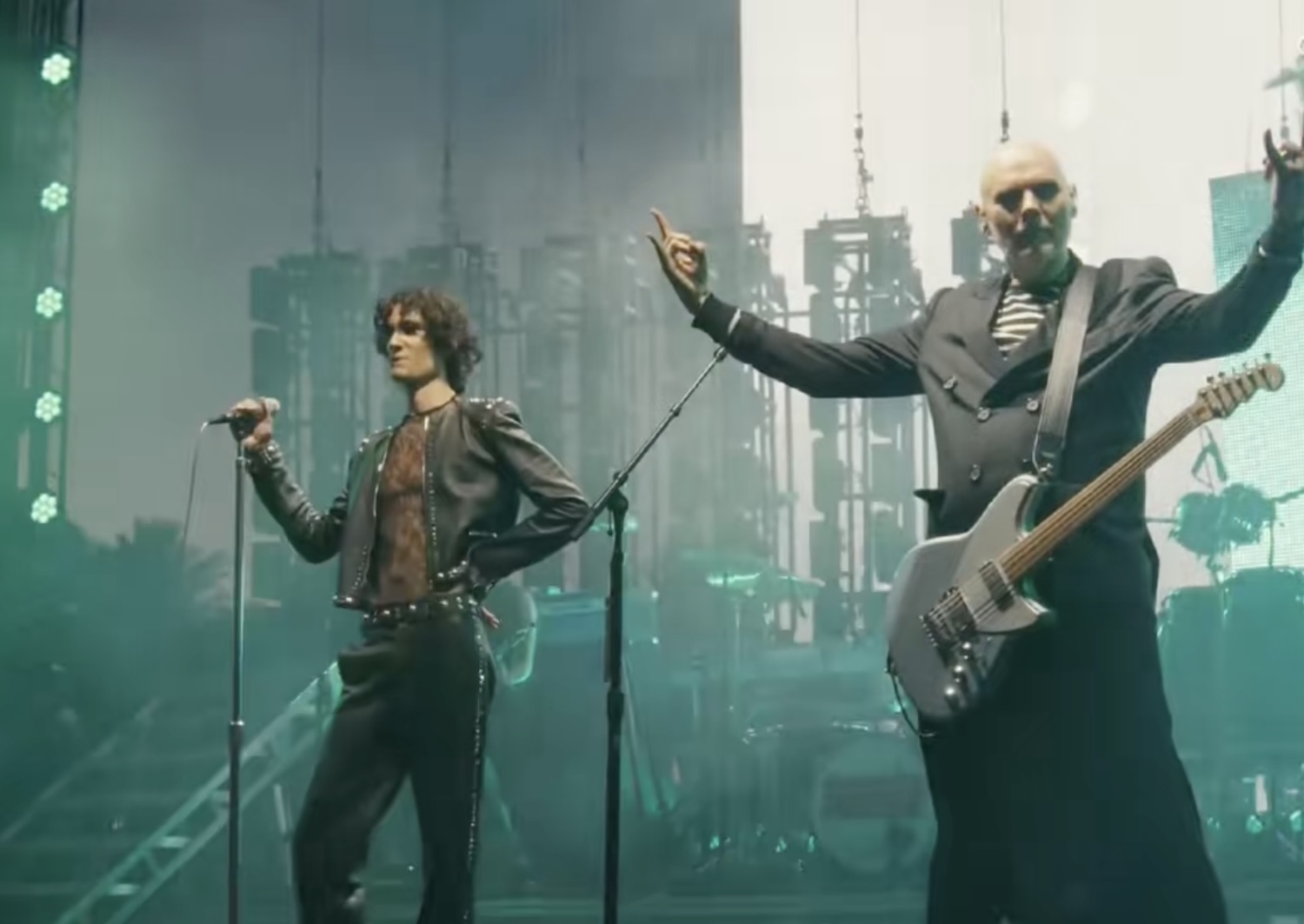
 Photo Credit: Jeremy Li
Emo and raving subcultures grew parallel to one another as their emphasis on uninhibited self-expression, emotional catharsis, and strong community drew outsiders into their scenes.
Throughout their history, both emo concerts and raves were more than just settings to listen to music. They emerged alongside each other in the mid-1980s as alternative third spaces for people who felt alienated from society.
Emotional — or “emo” — hardcore music grew out of Washington, DC’s hardcore punk scenes as a conscious rejection to its aggressive, hyper-masculine culture. It drew on their heavy instrumentation but brought new emotional and introspective lyrics to the forefront. While the spirit of punk rock was still propelled forward by emo, the community placed a greater emphasis on emotional vulnerability and openness.
Meanwhile, rave culture emerged in the UK, where DJs began playing acid house records by artists from Chicago and Detroit. While sharing a similarly accepting ethos, these were distinctly different from the US nightclubs that offered spaces for Black and LGBT+ communities to live and love openly.
This strong sense of community in both subcultures was fostered by ideas of self-expression and freedom from societal norms and judgement. While vastly different, fashion served as one of the biggest mediums for radical self-expression. Fitted band tees and black skinny jeans emerged as hallmarks of the emo style, while neon colors, bold patterns, comfortable clothing, and kandi bracelets defined early rave attire.
Although the music and fashion has evolved since then — and emo and EDM have grown more mainstream — these shared pillars still exist today, and they resonate strongly with people who’re drawn to either scene. This is especially the case for the ubiquitous emo-kid-turned-raver, or the one who still has one foot in both worlds. These music lovers found a sense of belonging in emo music as a teen, and a distorted echo of that same feeling in raving as an adult.
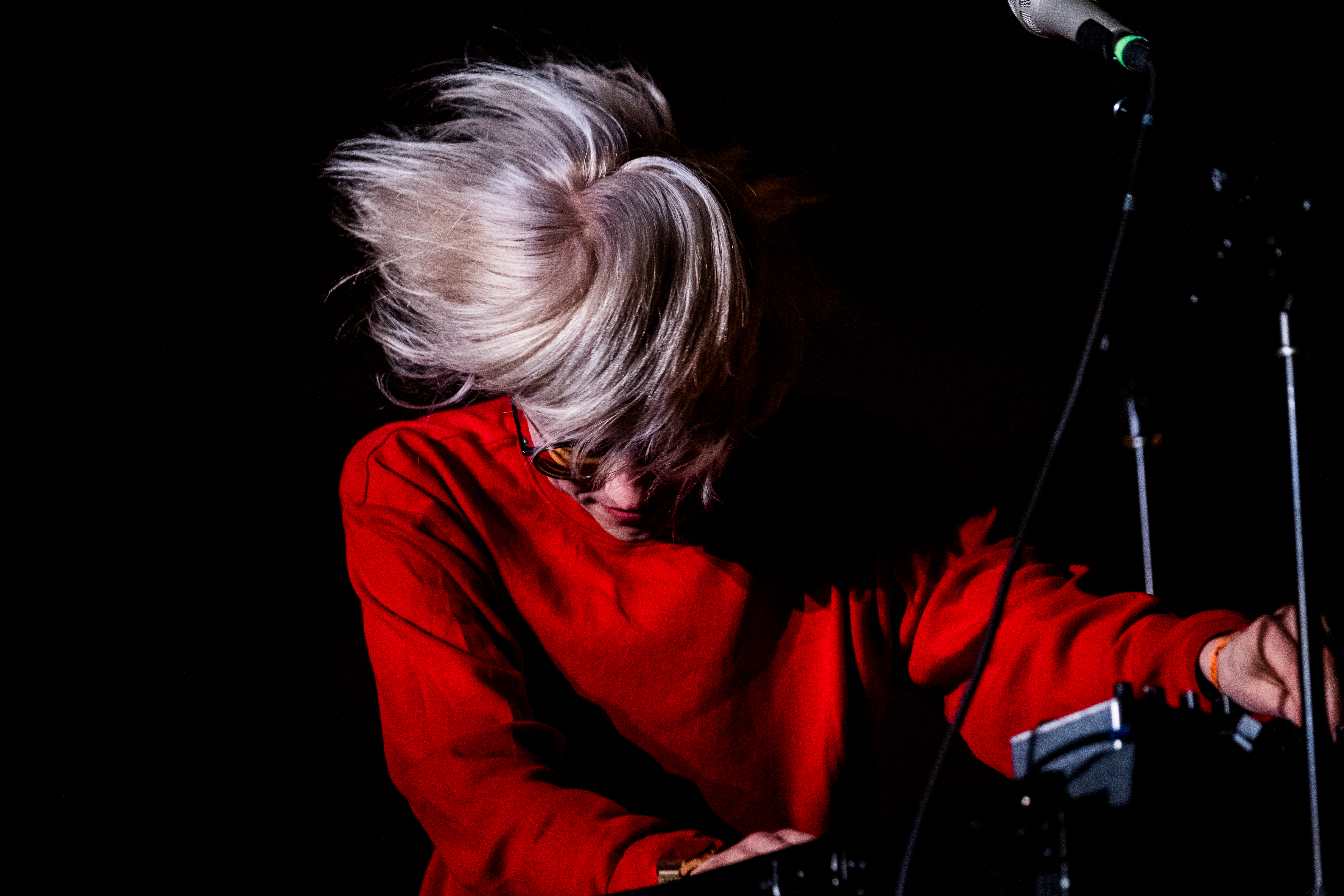
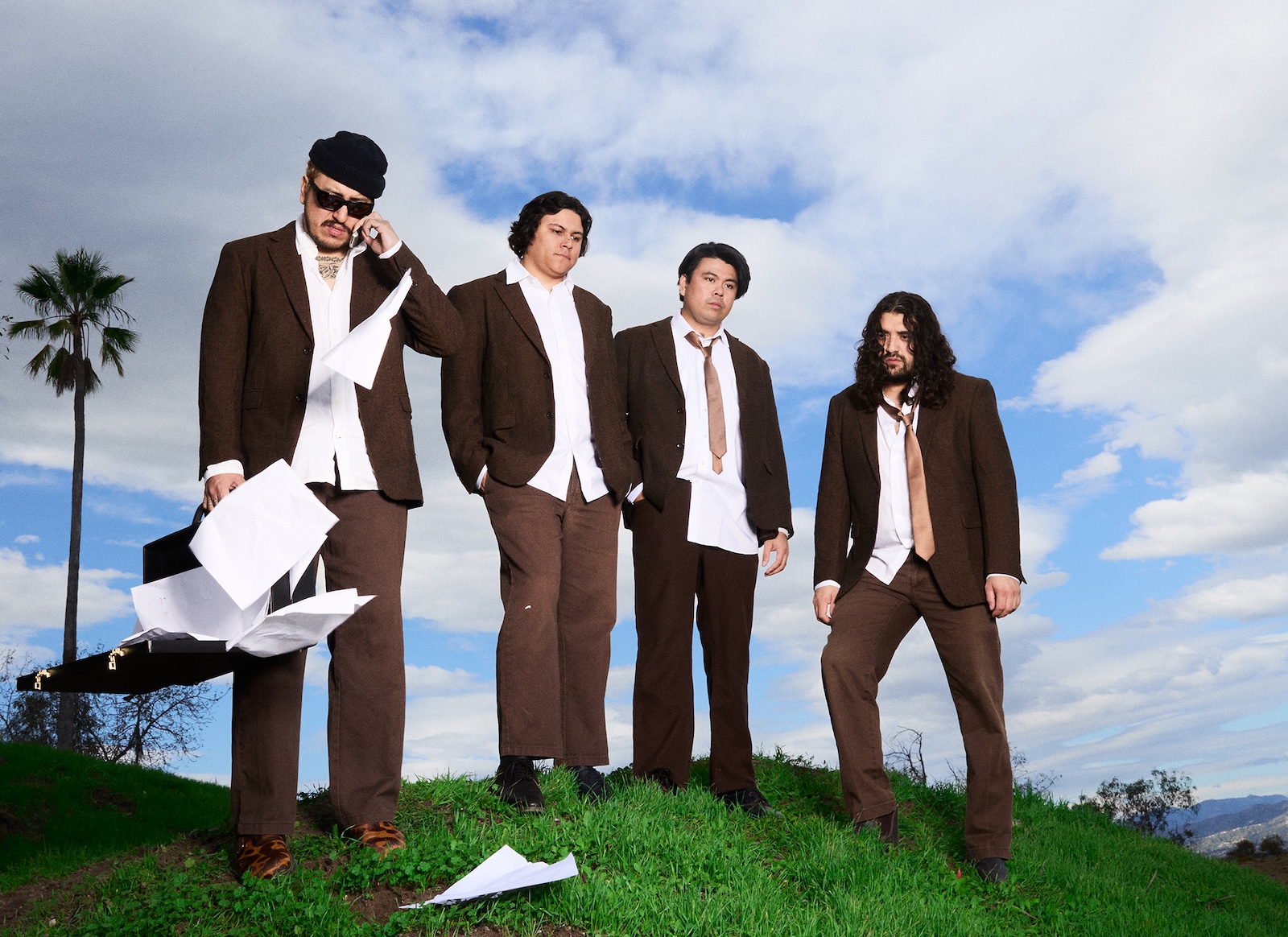
 Photo Credit: Michael Kessel
This crossover widens as electronic producers infuse emo into their work and vice versa, blurring genre boundaries in both directions.
Hundreds of subgenres fall under the massive EDM umbrella, but bass music is where emo’s influence is most vivid, especially in heavy dubstep. Like emo, dubstep is characterized by its dynamic builds and releases that serve as avenues for emotional catharsis and aggressive musicality. Head banging, moshing, and walls of death are commonplace at both types of shows, and many electronic artists with ties to emo music have left their mark on EDM.
Brostep luminary Skrillex‘s, musical career started off as the frontman of post-hardcore band From First to Last. Known then as Sonny Moore, he broke off in 2007 to pursue a solo career as a producer and released his groundbreaking EP, Scary Monsters and Nice Sprites, in December 2010. It quickly established him as a pioneering figure in the growing dubstep movement and helped push it further into mainstream consciousness, especially in the US.
Sullivan King, who’s best known for blending heavy metal with dubstep, broke into the scene in 2014 and is now one of the most notable US dubstep artists. He even opened for Avenged Sevenfold during several dates of their Life Is But A Dream Tour in March 2024.
Melodic dubstep has even closer ties with emo music. Similarly to emo, it emerged as a subgenre of its heavier predecessor, keeping the same BPM range but focusing on emotional, soaring melodies, introspective lyrics, and atmospheric drops rather than aggressive impact. Powerhouses like Said the Sky and Dabin have collaborated with emo artists like All Time Low, Avril Lavigne, I Prevail, Motionless In White, The Maine, We The Kings, State Champs, and Lø Spirit, further blurring the lines between the two sounds.
But akin to the emo raver, there are several artists who have their feet in both circles. Cobra Starship, I See Stars, Bring Me The Horizon, and Breathe Carolina are closely associated with the 2000s emo subculture, but their sound leans heavily on electronic production.
Meanwhile, artists like Grabbitz and Fox Stevenson are hybrid electronic producers who also perform vocals on their own tracks, incorporate instruments into their music, and alternate between DJ sets and performing with a live band. Their sounds bear clear emo influences, and their crossover appeal has helped them cultivate loyal fanbases that unite both ravers and fans of analog music.
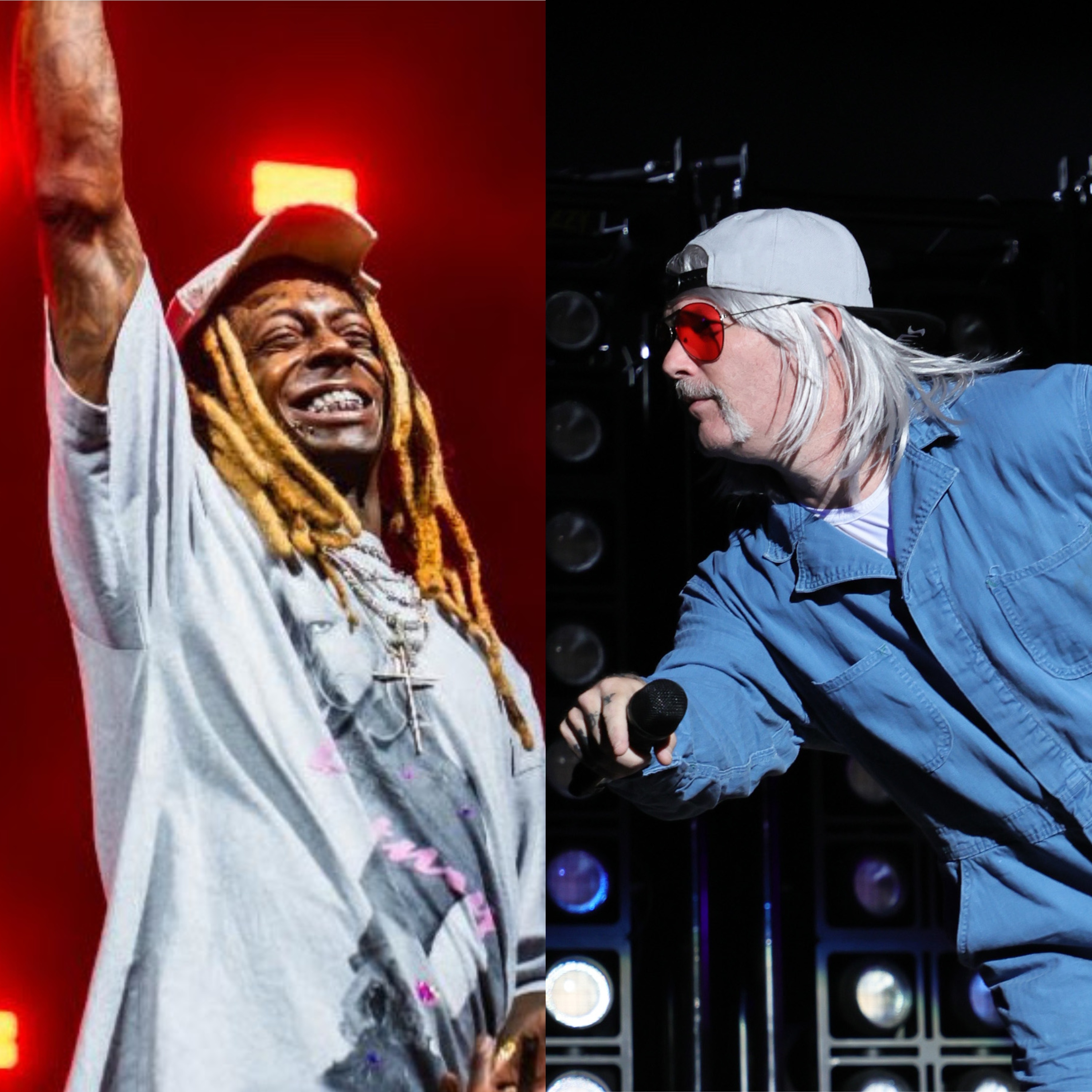
 Photo Credit: Ben Wicks
When you look at all these common threads, it’s no surprise so many emo kids become ravers.
Today, electronic music is more popular than ever, and emo music is experiencing a comeback fueled by nostalgia. Many iconic emo bands are reuniting, making new music, and touring for the first time in years.
At the same time, electronic artists continue to draw on emo sensibilities to inspire their own sound. Every day, the boundaries between the two continue to blur as fans and artists alike celebrate the energy of both scenes and embrace the culture that unites them.
People often look back at their emo phases as just that — a phase. But for the self-proclaimed reformed emo kid, turned raver, it was never a phase, just a reinvention.
T.J. Petracca and Morgan Freed, the founders of the emo-centric Emo Nite raves, coined the slogan, “before you liked EDM, you liked emo.” Though they may seem different, at their heart, both genres share the same pulse.
The post A Deep Dive into the Emo to EDM Pipeline appeared first on EDM Identity.




 English (US) ·