
 3 weeks ago
21
3 weeks ago
21
Imagine your favorite artist committed an act so egregious that they were dropped from their label or event lineups. Could you continue to support them?
Fans tend to develop parasocial relationships with musical artists and their music, leading them to place these public figures on pedestals. Sometimes, this makes it difficult for them to hold their heroes to the same standards as other people.
Take, for example, Datsik. Back in 2018, the Canadian DJ was accused of numerous instances of sexual assault spanning several years, resulting in his management and label dropping him.
Once you learned this, did you still stream his music? If he were still performing, would you seek him out? Are you able to separate his music and art from the kind of person appears to be?
Personally, I am not able to separate the two, nor do I think you should. If someone has questionable morals or unsavory ethics, that’s enough for me to stop engaging or supporting them as an artist. No more streaming, buying albums or EPs, or catching their sets at festies. These stories don’t stay buried forever — and thank goodness. The world has decided we can no longer accept a culture of silence, and I am here for the revolution.
History has shown that bad behavior usually gets swept under the proverbial rug, especially if the person is popular or powerful. People, most commonly women, have been too afraid to speak up, as the general public often turns a blind eye to what’s been happening. And when women have spoken up, they get attacked, inundated with excuses or hateful rhetoric that reinforces the idea that they should just stay silent.
Just ask Danielle Tudahl, founder of The LA Raver. In February 2026, she opened up about being raped by a DJ, and without even naming him, she was overwhelmed with comments blaming her. As a domestic violence and sexual abuse survivor, I empathize with her 1000%.
Even with these skewed perceptions, more women have become emboldened to come forward with their truths, and I am thankful. I wouldn’t want to unknowingly support someone whose morals didn’t seem to align with my own.
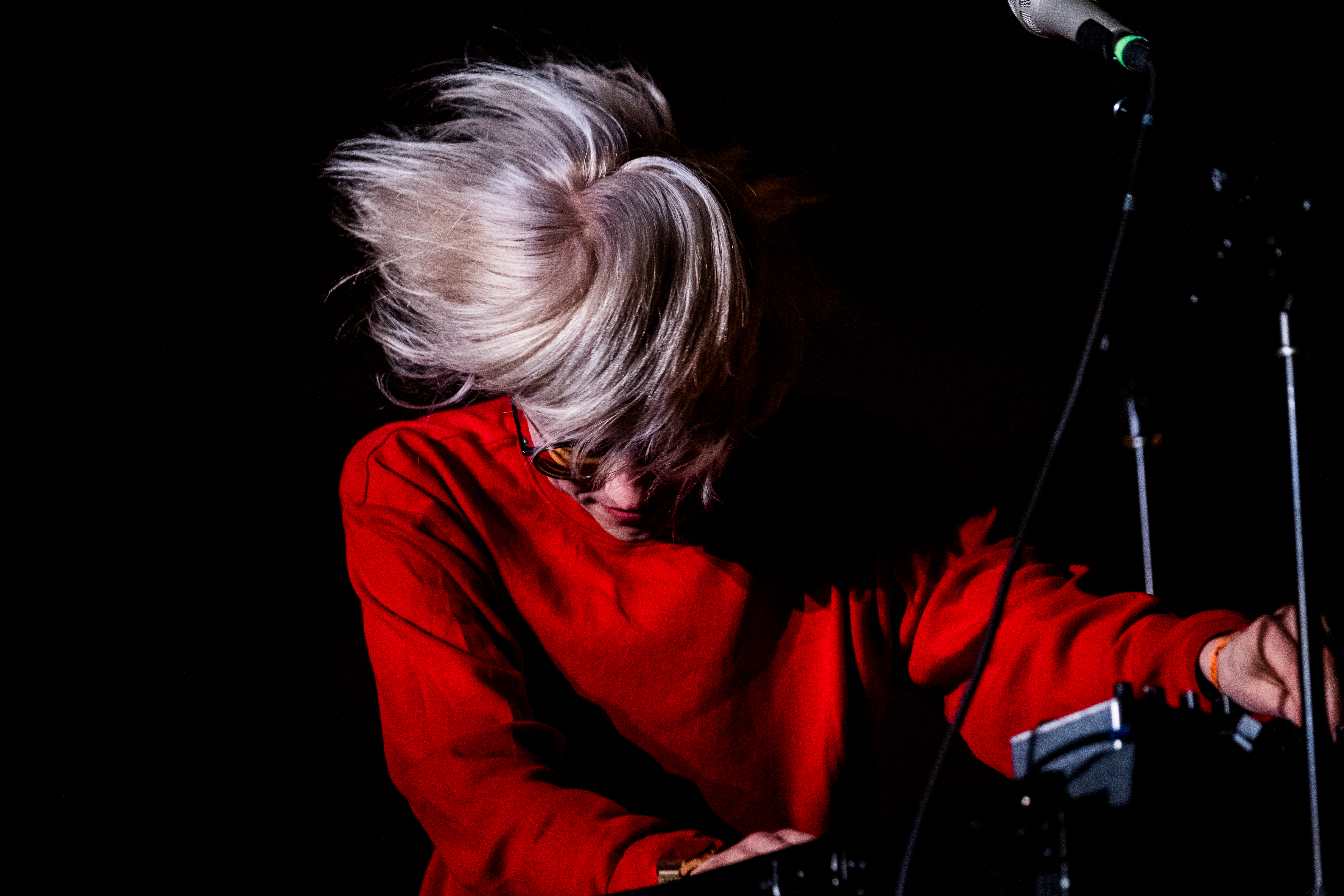
 Lorin Ashton aka Bassnectar. Photo Credit: RUKES
When all the women started coming forward about Bassnectar in 2020, for instance, I was grateful. I grew up catching Lorin around the Bay Area and in Seattle — but as soon as the allegations came out, that was the end of that. The widespread sexual abuse and trafficking accusations wiped out what good memories I had listening to him in my early raving days. I have no interest in supporting him when there are a ton of other deserving artists.
While wading through the mess, I discovered new artists that I (and you) should support. Most memorably, ongoing conversations regarding the late January 2026 Epstein Files disclosure filtered into the music community and hit the talent agency Wasserman, when former owner Casey Wasserman‘s name appeared in them.
Many artists represented by the agency began a mass exodus. Those who couldn’t leave made their intentions clear by posting on their own social media and condemning his reprehensible actions. Some of these artists were Bethany Cosetino of Best Coast, Beach Bunny, Chappel Roan, Levity, Louis the Child, Rezz, Seven Lions, John Summit, and Lane 8.
I’ve gained so much respect for those who left, or at least spoke up if they couldn’t. I’ve made it a point to explore their music, as their priorities align with my own.

And if you don’t already, go ahead and listen to William Luck, ONLYNUMBERS, 6EJOU, Natte Visick, Lola Cerise, who all left STEƎR Management after sexual misconduct allegations involving artists Shlømo, Basswell, CARV, Fantasm, HADES, and Odymel came to light in February 2026. Ditto for Amelie Lens and Sara Landry, who spoke up despite not being involved with the agency.
Though STEƎR’s management acted quickly, many artists on the roster felt the need to distance themselves from the agency. It was held accountable for its perceived complacency — and though I didn’t really listen to the artists accused, they’ve made it onto my blocked list. I posit that they should be on yours, too.
While this seems to me like common sense, it remains a contentious issue for certain brands. Take Shambhala Music Festival, for example: they continued to book a problematic DJ despite being alerted to his misconduct. In 2017, UK artist Billy Kenny was accused of inappropriately touching a fan in Edmonton. Despite these serious allegations, he was still scheduled for the festival’s 2020 livestream, only being removed after significant public outcry.
The same goes for Movement Detroit. Though they cut ties with Derrick May after he was accused of sexual assault and rape by several women, they still booked his vocal apologist, Carl Craig.
Organizers went so far as to ban writer Annabel Ross, who extensively wrote pieces including anonymous allegations involving May’s accusers, from covering the festival in 2022 as Craig threatened not to perform if she came. But to Movement’s credit, she was allowed back the following year.

And while some brands have been slow to move, others are taking meaningful action. The Association for Electronic Music (AFEM) is a prime example: it introduced a code of conduct in 2020 to root out sexual harassment and gender discrimination. By implementing their “Stop, Support, Report” guidelines, they’ve united 297 member companies — including industry giants like Beatport and SoundCloud — under the same goal. It is truly encouraging to see so many artists, DJs, and businesses finally standing together under these shared principles.
When reports of sexual harassment shook the electronic music community at large, AFEM responded with a powerful statement validating the experiences of survivors and the immense courage required to speak out. Going beyond mere words, they compiled resources for victims and allies alike, offering essential guidance and support during this critical time.
Another group on the front lines is the collective METOODJS. They grew tired of waiting for others to make a change, so they’re making it themselves. They’ve been instrumental in the fight against toxic male environments and sexist and sexual violence (SSV), bridging the gap between the dancefloor and the legal system.
When I say there is a reckoning happening, this is what I mean. I stand ten toes down in my convictions, from the music I stream to the festivals I support with my dollar. I’m not willing to separate the art from the artist just to avoid a tough conversation — if you’re trash, you’re done. But is holding my own enough? Is there more we can actually do to fight this insolent behavior?
The answer is yes.
We can take direct action by becoming better bystanders and joining the conversation. The code of conduct is a good place to start, applying “if you see something, say something” in our interactions. Creating safe spaces in clubs and festivals is crucial, which involves implementing strict zero-tolerance policies and clear reporting systems. Above all, we must actively protect survivors by whatever means necessary.
The post Can You Separate the Art From the Artist? appeared first on EDM Identity.





 English (US) ·