
 1 day ago
4
1 day ago
4
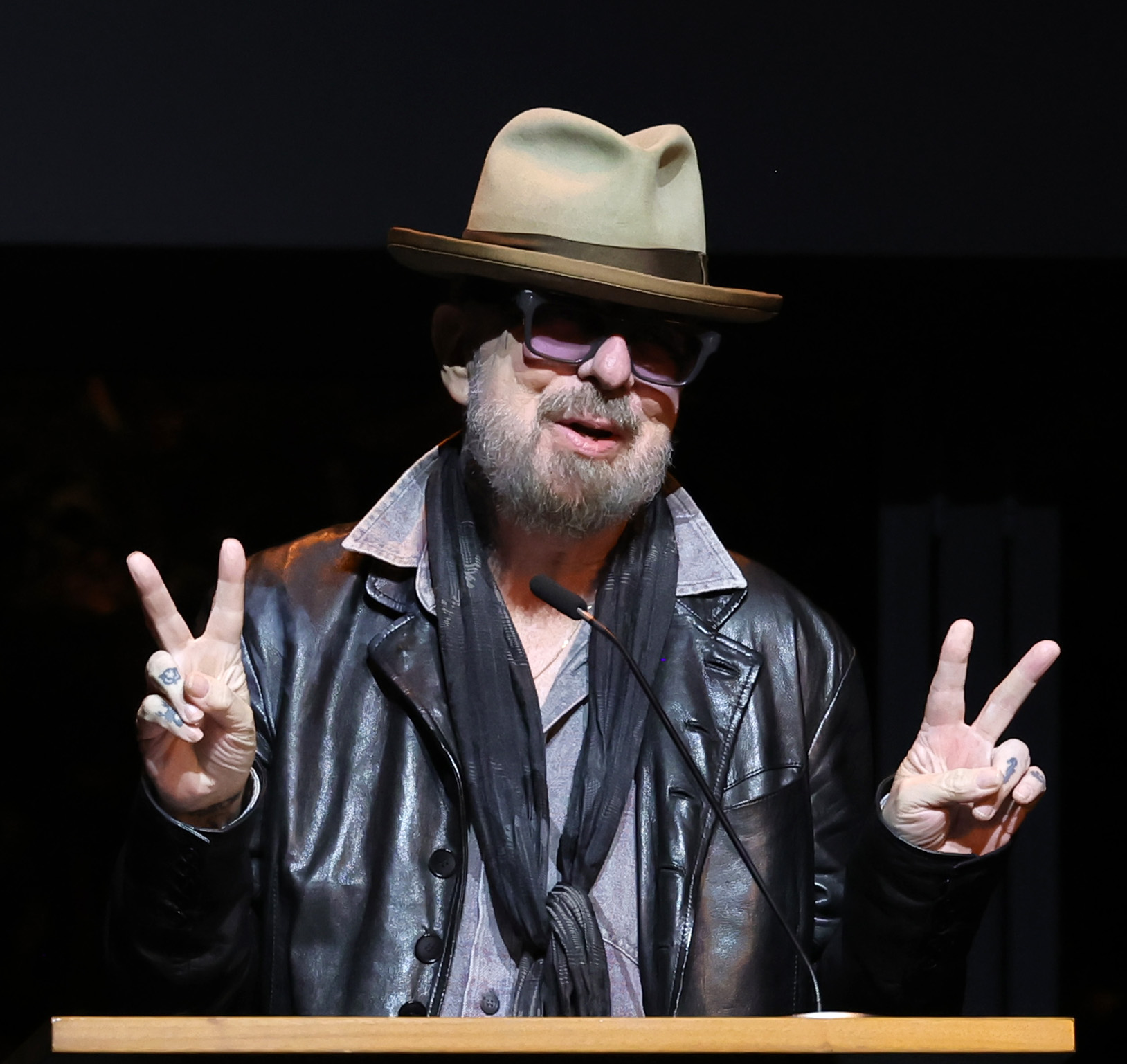
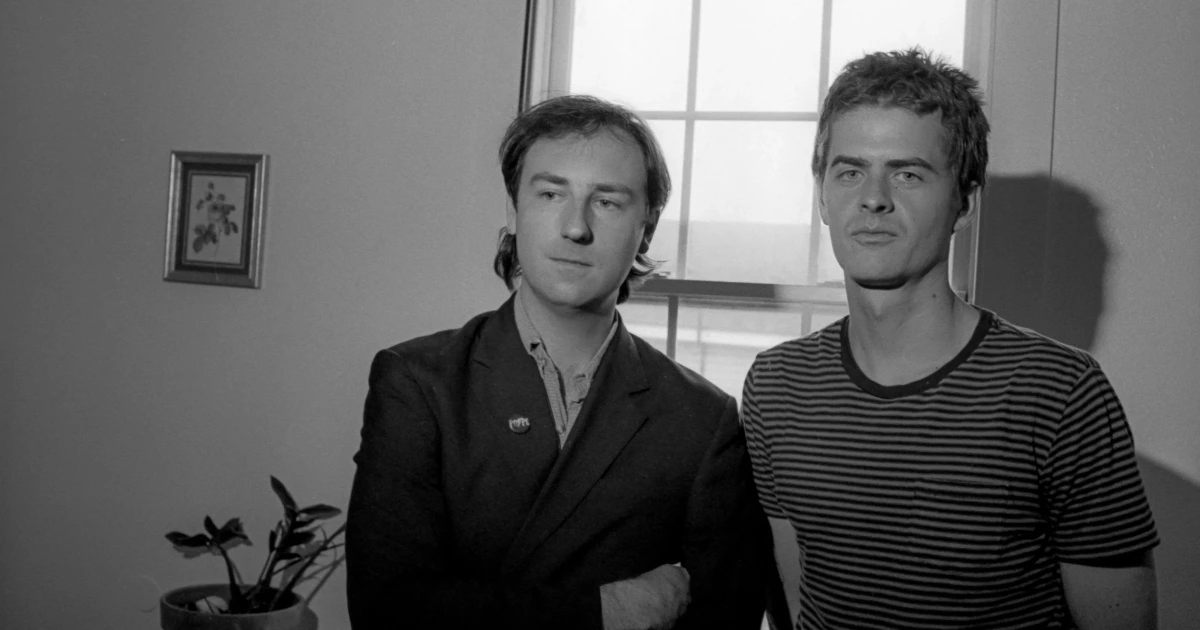
In Place of War is a global organisation that utilises art to change cultures of violence in conflict-impacted countries into hope and opportunity. The annual Fellowship Awards and fundraising dinner was hosted by In Place of War fellow Brian Eno at his studio. The ceremony saw electronic duo BICEP, who co-curated TAKKUUK — a new immersive audio-visual installation developed with Indigenous Arctic artists that combines music, film and installation to explore climate change, cultural resilience and community storytelling — with In Place of War, recognised for their commitment to using music to foster community and change.
Greenlandic rapper Tarrak and Sámi singer, composer and cultural advocate Katarina Barruk were also recognised for their contributions to collaborators on the TAKKUUK project. Additionally, Kneecap were awarded for their activism as advocates for Palestine, while AURORA was awarded for her support of Place of War's work through initiatives to raise awareness and fund conservation efforts.
Speaking on the organisation's efforts, Brian Eno comments, "Radical change and creative imagination can thrive even in the most difficult and extreme circumstances. History shows that even in war zones, gang-ridden cities, and areas of intense poverty, the powerless — the poor, the marginalised, and those with the least to lose — often become the driving force for hope and transformation."
"The process of communal imagining is essential for creating a better future. It’s not just about calm, rational argument; rather, it involves empathy — understanding others by spending time together, sharing common experiences, and engaging in activities that foster connection and respect."
"In Place of War, an organisation dedicated to this cause, uses music, dance, storytelling, and the visual arts, to cultivate empathy. It creates neutral spaces for people to meet and engage culturally. This effort requires both organisation and resources, including infrastructure to support the gatherings. Despite what mainstream media often suggests, because 'good news' doesn't sell papers, this approach is working, helping to break cycles of conflict and prejudice by fostering real connections."









 English (US) ·