
 1 month ago
30
1 month ago
30
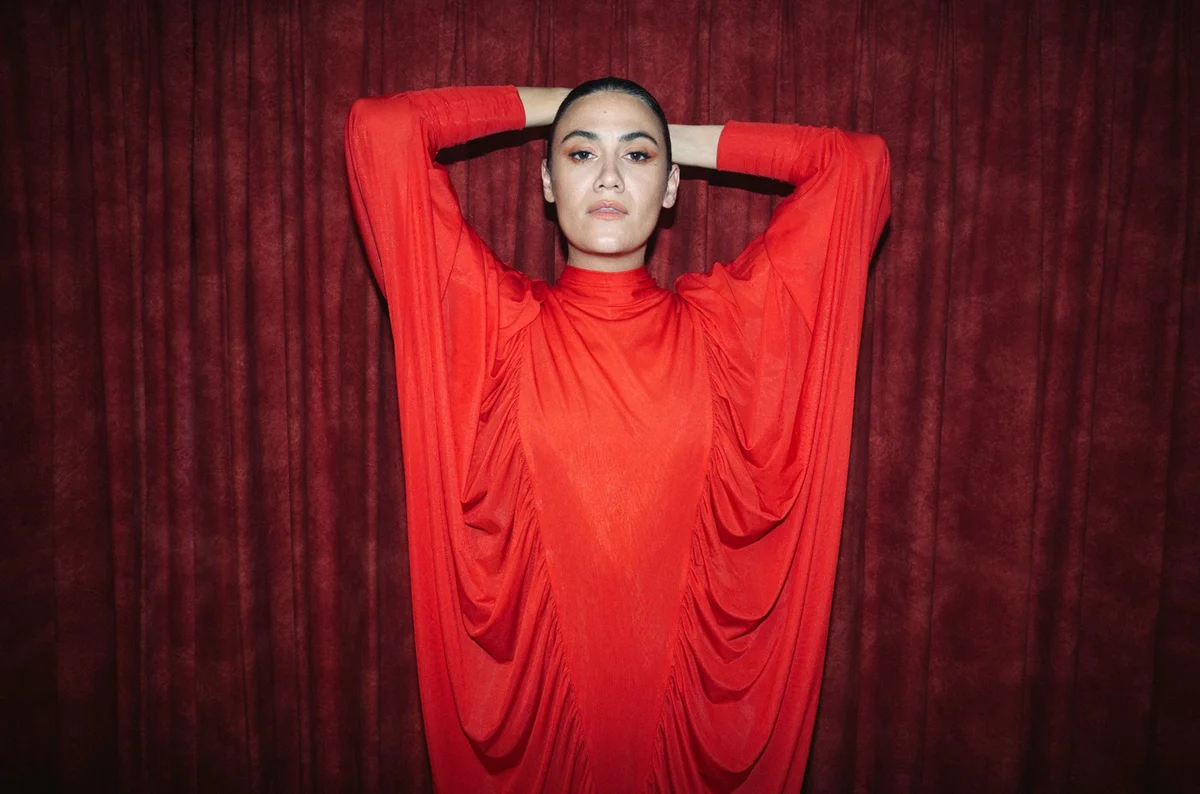

The feeling of Memento Mori – to ‘remember you must die’ or ‘remember your end’ – is a thread that runs through Nadine Shah’s songwriting.
Whether that be the end of a relationship, an ending of turbulent periods in life, the loss of her mother Heather, it’s an emotion that’s counterposed by another Latin phrase, Memento Vivere – ‘remember to live.’ The artist and person that Shah is today is someone who has learned the importance of resilience and discovering joy where others would see darkness.
A conversation with Shah sees her asking as many questions about my life as I do about hers, and as we talk about the impact of losing her mother she asks me about mine, and I tell her my mother passed away last month. “I'm sorry. Can I ask, what was your mum called?” “She was called Alice" I tell her, "and she was my best friend.”
We talk about how nothing can prepare you for the feeling of disorientation and grief of losing a parent, even if you thought you were prepared for it, but that there's a choice you have to make when it happens, whether to wallow or cherish their memory. And as we explore Shah’s musical backstory through five of her pivotal songs, it’s clear that she’s chosen the latter path, and stories of our mother’s weave in and out of our conversation.
The first time I met Shah was in 2017 for a Nine Songs feature, and virtually every song she chose included an anecdote about her mother, most memorably the time Shah’s hero Scott Walker asked Heather for a date, only for the impossibly handsome crooner to find himself turned down. At the time she laughed at the memory, “I’m still angry with her to this day, he could have been my Dad. My Dad’s great, but he’s not Scott Walker though, is he?"
Sign up to Best Fit's Substack for regular dispatches from the world of pop culture
The last time I spoke to Shah was during lockdown, as part of a series called Payback where she interviewed journalists. As it was the start of lockdown, with the Broadband network wilting, my connection buffered for half the interview, but Shah, like a seasoned pro, battled through. “It was really funny though”, she recalls, “it was so fucking typical of Covid. What a time, Jesus Christ.”
Since lockdown, Shah has married and divorced, spent time in rehab, as well as losing her mother, but in the spirit of Memento Vivere, she’s now focused on the importance of living her best life. “When my Mum died, one thing that someone said to me stuck; that the grief never gets smaller - ever - but you should make all of your life around it bigger, and larger” she tells me. “I think I've had a good go at doing that, the grief is still omnipresent but in quite a beautiful, welcomed way now.”
Two years after her Mum passed away, Shah did exactly that and tried something totally different artistically, acting in a production of A Midsummer Night’s Dream, playing Titania, which saw her nominated for Best Professional Debut Performance at the WhatsOnStage Award, and more acting is very much on her agenda.
Following the release of her fifth album Filthy Underneath – and with album number six well underway – Shah has thrown herself into a series of collaborations that has taken her on tour with The Pogues for the 40th anniversary of Rum Sodomy & the Lash to contributing to the Death Songbook album in 2023 with Charles Hazlewood, Brett Anderson and Paraorchestra, where her sonorous voice found a new and natural home in the world of orchestration, which is where her next adventure will take her later this month when she performs at The BBC Proms in the North East.
In May, Shah revisited orchestral work for Refugee Week at It Sounds Like Courage, an event curated by Anoushka Shankar at the Royal Festival Hall, where she performed with The London Contemporary Orchestra. And once again, her mother comes into her story. “They were like, ‘Do you have any songs in your catalogue about courage?’ And obviously, they're the ones about my dying mother.”
When she heard the orchestral arrangement, she was blown away at how her songs had been transformed. “The composer made these beautiful arrangements, which made these little, tiny songs so magnificent and glorious, which is what they always should have been, because they're about a brilliant woman.”

Shah thinks the challenge for The Proms will be containing her emotions hearing her songs accompanied by an orchestra. “I think it's impossible to sing and cry at the same time, but I was so choked up doing those two songs at the Royal Festival Hall. I was in bits, but it was a good lesson learned to know that in advance of The Proms, to try not to get too emotionally into the song, because strings will kill you.”
The show will take in songs from each of her five albums, including songs she hasn’t performed for some time. “It felt like a nice opportunity to revisit some of the older material, a lot of the songs we’re doing are ones I would never play live these days at a gig, and that’s a lovely thing.”
As we finish up, we come back to the importance of mothers, and the impact they have on one’s life. Shah says of Heather, “She was my best mate, like your Alice was yours. And that's the thing you miss; you miss your best mate”, she says. “All of a sudden there’s that very real feeling of walking around without a safety net. You didn't realise it for years when you had it, but when it's gone, you really feel it.”
“When I was in rehab, I thought, ‘I'm going get better for my mum’, because I feel I've done her a massive disservice. She gave me a life, so use it, and that’s my principle on a good day.”
Revisiting the songs from Shah’s formidable back catalogue takes in Memento Mori, but most of all, Memento Vivere, and hearing her speak of her desire to keep getting better at everything she does is a credit to her, but also, of course, to her beloved Heather.
BEST FIT: This is from your first record, Love Your Dum and Mad, which was released in 2013. What’s the story behind it?
NADINE SHAH: I was living in London whilst writing the album, and I wrote most of the songs in a pub in Dalston called The Kingsland. An Irish woman ran it, and I’d go in there on my own all the time, full of interest in people, who like me, liked to chat.
I was the youngest person who'd frequent that place, which I liked, and I’d maybe play into it, being this little oddball Geordie character. I guess it was quite charming; people would sit and chat to me for hours, and I’d just sit and watch people in there. I loved it because it was dark red inside and full of trinkets, which meant you could blend into the background, so if you were a daytime drinker, it was a really brilliant place to be because you were camouflaged within the space.
Part of the demise of that pub was definitely my fault. I had a birthday party there, obviously it's full of hipsters, then they all started going and it ruined it. I remember the landlady saying, "We get all the youngsters in here now.” I walked in one day, they'd painted it bright cream and gotten rid of all these lovely trinkets, and so when you were sat there you could see your outline. All the people that I loved there looked like cardboard cutouts. I thought ‘I've killed it’. I never went there again.
Was it the pub that the video was shot in?
No. I'd written it about a man who’d go to The Kingsland, but we filmed it in The Fat White Family’s pub in Stockwell. They all lived upstairs, and on the day of filming something ridiculous would keep happening, a woman came down in rubber washing up gloves, but they were fur-lined, and she had this skimpy outfit on.
Saul or Lias would help themselves to a pint behind the bar while we're filming. I had no idea who they were, I’m pals with them now, but it was a funny introduction to them. It was a really stupid day of filming, and I like stuff like that, it made it less boring for me.
It's a very sad song. The lines “Now we're stuck in nine to fives / A monotonous routine / And any hope we had / Seems distant and obscene” evoke the passing of time and imagining where life could have gone if you’d made different choices.
It is, but one of the reasons I chose it is that sometimes I look back on some of my older work - I don't do it often - and that's one of the songs that always takes me by surprise, where it's a moment of going, 'how did she do that?' You’re looking at yourself like you're somebody else, thinking, ‘I love the way my brain worked back then’. I miss a lot of that creativity that I think I used to possess, that maybe I don't so much now.
I’d just moved to London and I thought every big, prophetic thought that I had was the first time anybody had ever thought it. Everything was a new discovery, and it was a very exciting time creatively, being around other people my age who were having those thoughts for the first time. Of course, somebody's already written a book about it, but we didn't know that. With that song in particular, because I adopt the character and sing it from the older man's perspective, I'm quite impressed by it.
When an artist makes their first record everything is new and exciting, but after a few albums the bits of the puzzle that need to be put together are clearer. It doesn't mean the craft is less exciting, but a lot of artists can struggle with that?
Yes, totally. But there's also a formula that I know we can work to. The bit which still floats my boat is I have to try harder now and be smarter with it. I listen to a lot of music when I'm making a record, I'll purposely listen to the music that I want to be influenced by. I try not to listen to the radio because I'm very easily influenced by what I'm listening to, but then I'm relieved when I do turn on the radio everything still sounds shite.
There's only one band that I'm excited about at the moment, they’re called Knats. They're from the North-East and lyrically he writes really well. It's not tokenism Geordie, it's smart, it's very poetic, and they're great at their craft.
That puts a firecracker up my arse, to work harder when I hear other good music, and that’s what excites me about this, the having to work harder to make it better.
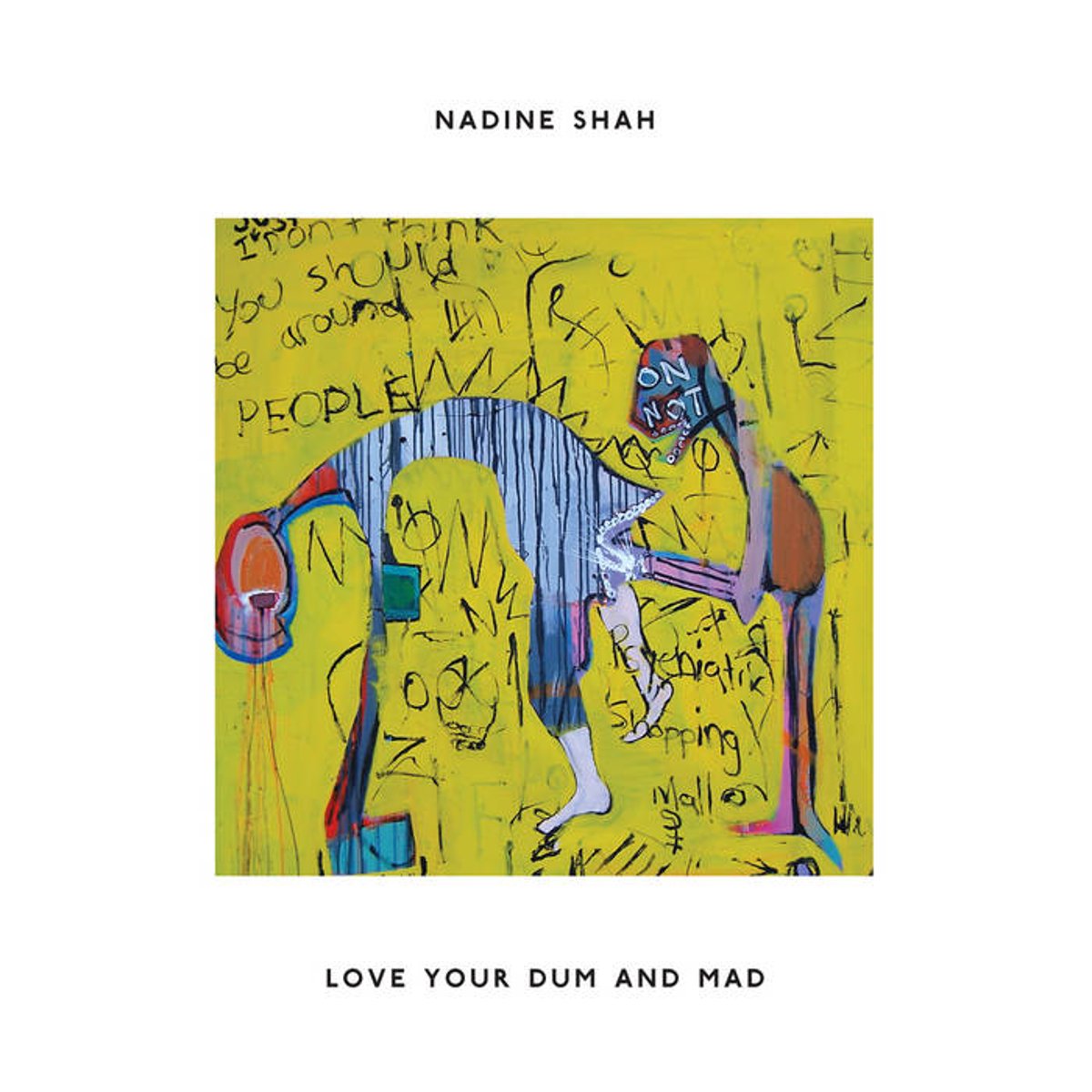
I think I've actively avoided listening to this song.
Why do you think that is?
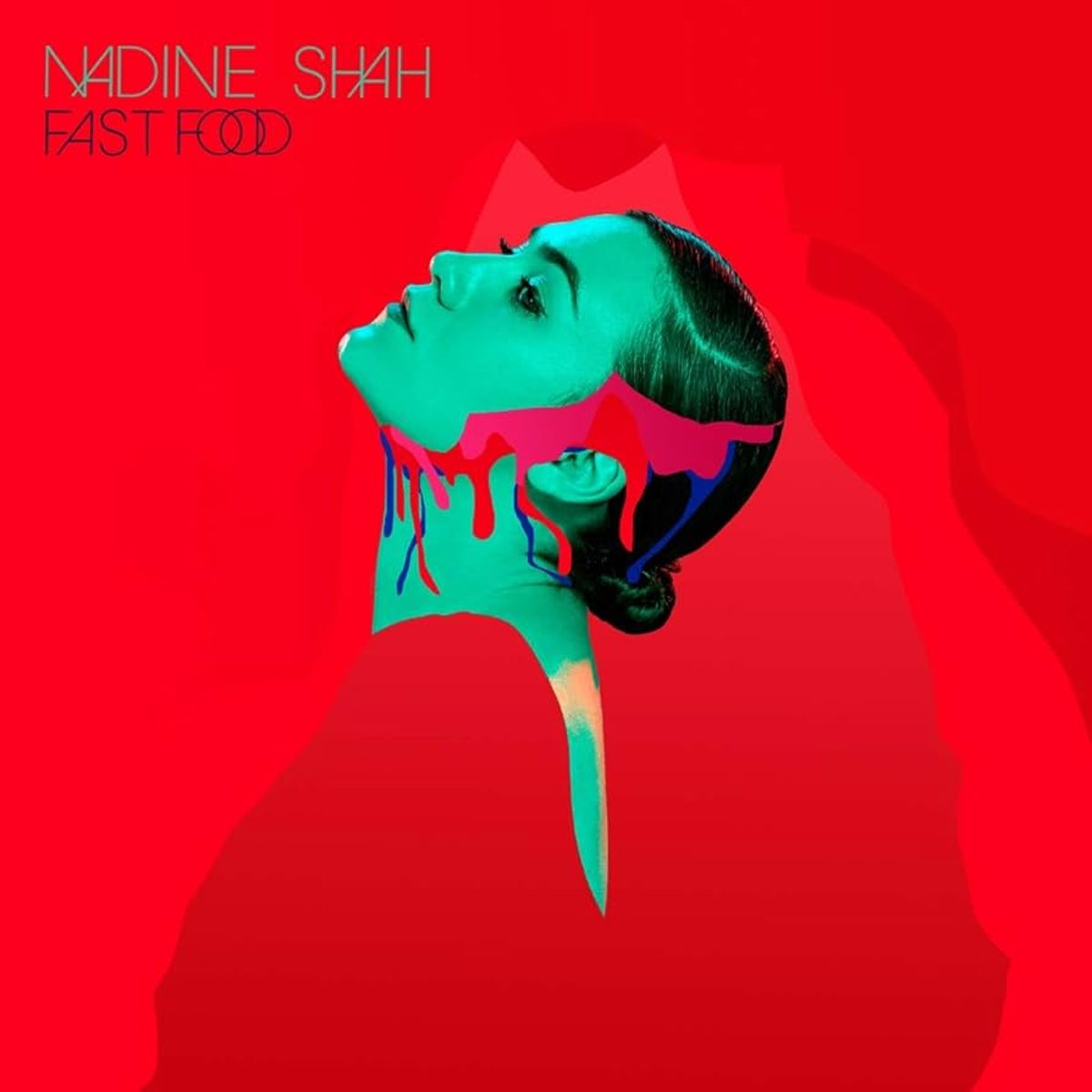
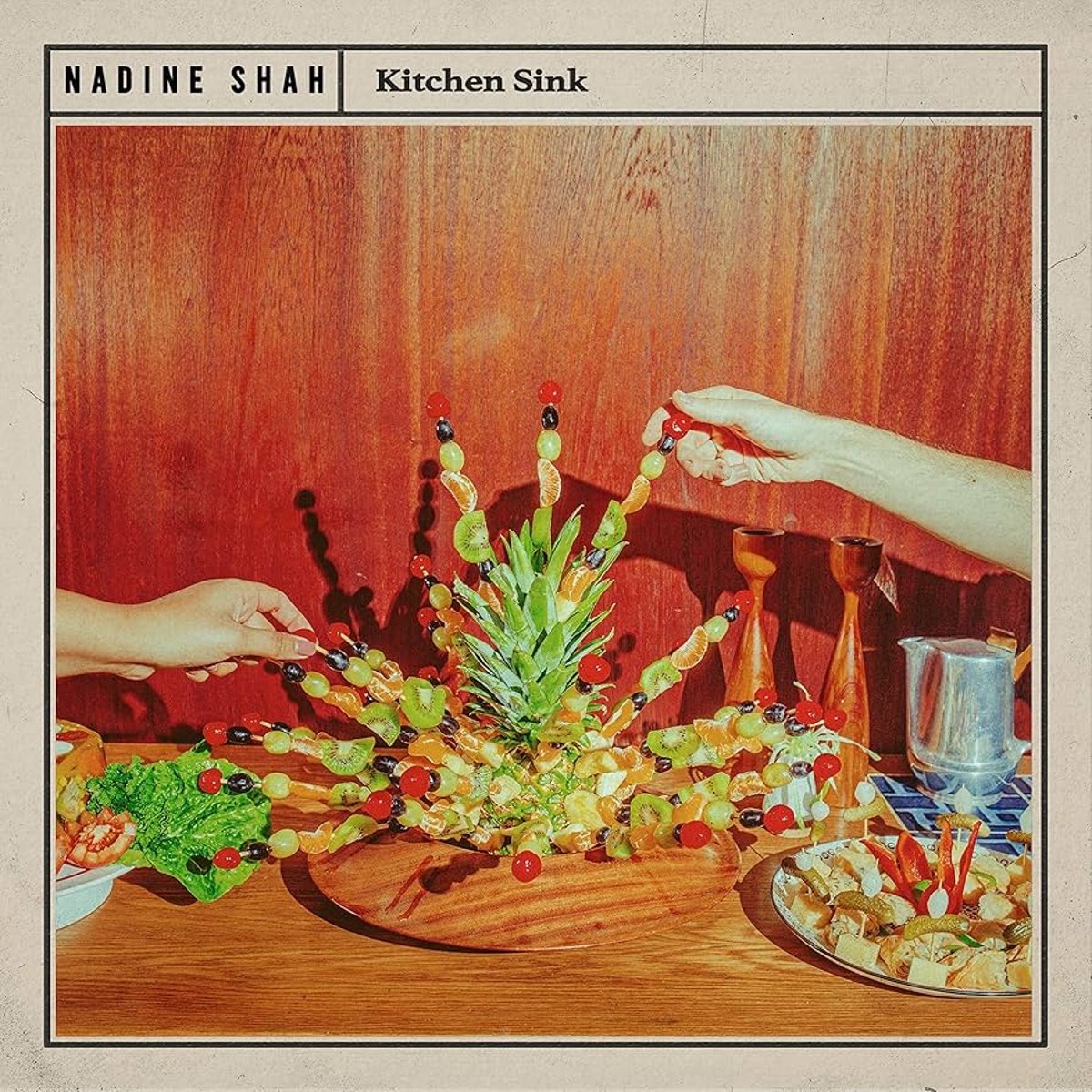
To be honest, with a lot of my songs I prefer my demo versions before I took them to anybody else. On Fast Food, the second album, I’d just started playing guitar and I wrote it all in one guitar tuning which made it easier for me to play, because I'm not an accomplished guitar player. It was in D, A, D, F sharp, A and D, and it meant it was easier for me to write. No matter where I put my fingers everything sounded good, and when it sounds good it compels you to write more.
When did you last listen to “The Gin One”?
I dug out the acoustic guitar version of it not long ago, and lyrically it's indicative of when I look back now, I've been through the ringer a bit - a lot of it was being the creator of my own chaos, and I get that - but essentially I've always been a bit of a loner, and I think that song perfectly demonstrates that.
It's the same with “To Be A Young Man”, and maybe it's not as spoken about as much with women, but I've always been a big drinker, and I really like drinking. I do it again now, but there are certain things I don't drink, and I have a heavy meal first.
I think I've always wanted to live like a man, who didn't have to worry about his safety, but for women, we’re not really afforded that luxury, and it's definitely gotten me into a lot of trouble.
What do you think prompted that feeling?
I would read books by the all the Beat Generation writers, and I could never really relate to it, because although I wanted to live like them, because I was a woman, I couldn't. You can't go traveling around on your own getting inebriated, you make yourself vulnerable, and lots of men are predators.
My older brothers lived like that, and it was frustrating reading that literature and wanting to be the men in those books. I really did have a good go at playing that part though, and “The Gin One” is me on my own again, narrating my own little solo missions.
I try and do less solo missions these days. And it’s harder to do solo missions now, especially when you live in East London and people recognise you, not because they're fans, because their Dad’s are fans. People come up and say, “Oh my God, are you Nadine Shah? My dad loves you.”
As an experiment, I asked ChatGPT what the lyrics of the song were about, and it got it completely wrong.
What did ChatGPT say about it?
It said the lines “I was always taught that one should / Dress for just in case / Threw the cottons out / And now my drawers are lined in lace”, was ‘a clever and darkly romantic metaphor about abandoning practical habits for something more alluring, dangerous, or spontaneous.’
No, it's something my mother would say. The cottons and lace thing, that's about in case you got hit by a bus and you want to make sure you've got your nice undies on. And ‘dress for just in case’, is because I'd go out to do something, but I know what I'm like, I'll end up at a party or somewhere, continuing the day into the evening, so I was wanting to be dressed for just in case.
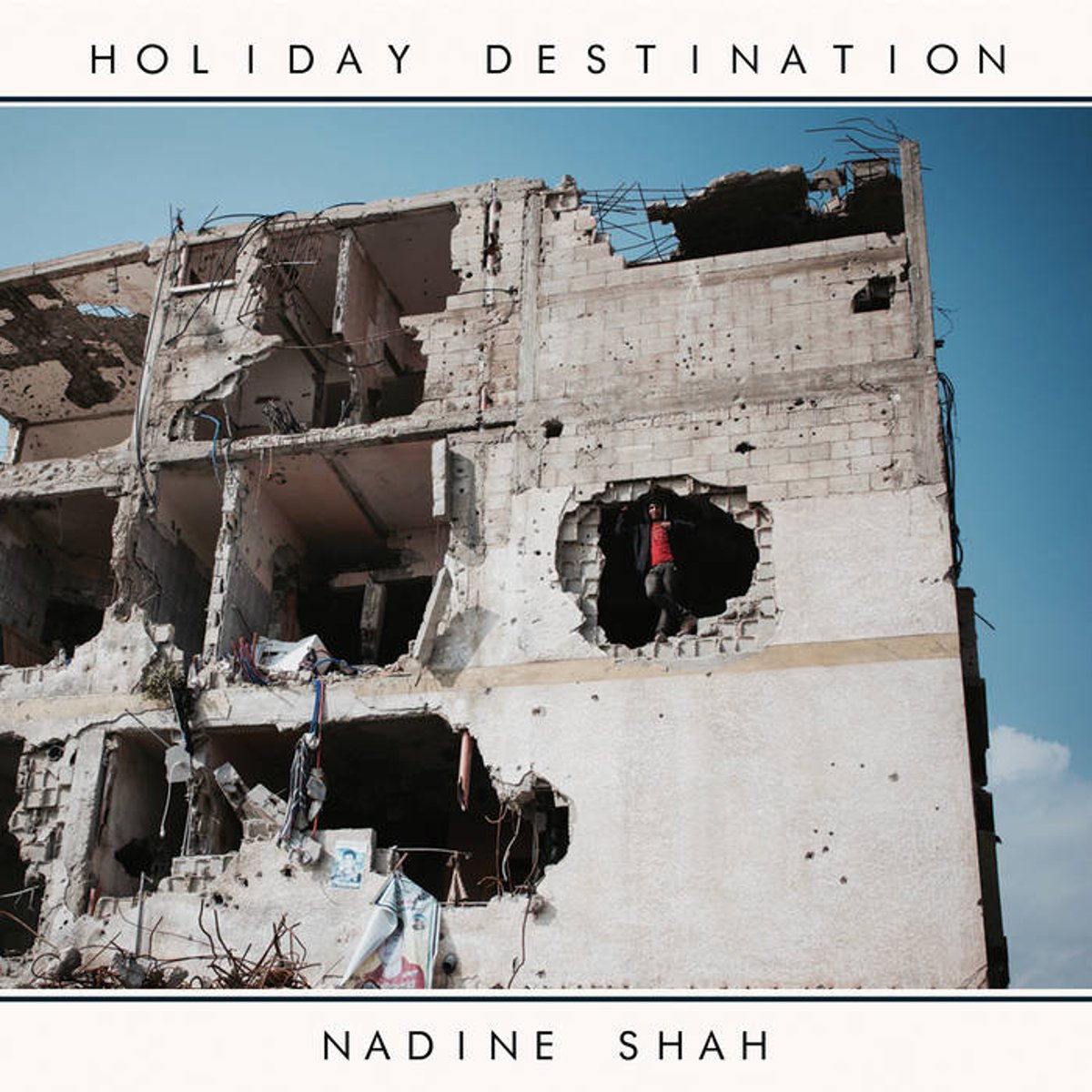
This song is from Holiday Destination and it feels very timely in the current political climate.
That album was the first time I was being overtly political. I think the reason I'm more drawn to “Yes Men”, rather than “Out the Way” or “Holiday Destination”, is that the older I am, my personal tastes shift and change, and there's a little bit of me that cringes at some of my lyrics when they're so on the nose politically.
Really?
A little bit, I still play “Out the Way”, I still think it's necessary to do it at times, but at times I feel it's not necessary, especially when I'm playing to my own audience, I don't need to teach them shit, it’s like preaching to the converted.
Sometimes it feels a bit ugly, and I feel a bit dirty playing the very on the nose political songs, because it’s also, ‘who the fuck are you?’ I have a weird relationship with that kind of stuff, but I think that with “Yes Men” it's a more nuanced, poetic political offering than the others.
I loved where we filmed the video. We went to the Miners' Gala in Durham, and it was brilliant. I'm not in the video, but the footage speaks for itself, and the song, accompanied by that footage, is a lovely thing. Although it is a political song, it does its job better for me personally.
What makes you say that?
Especially now in the current climate, we're talking about these egotistical men more and more, with the Musk’s and Trump’s. We can speak about all the problems in the world, but it's about these egotistical, very insecure men, and the proof is in the pudding that the combination of huge ego and massive insecurity is incredibly dangerous in any person, but in a person with access to huge power, it’s complete devastation.
Despite all the noise he made about it, Donald Trump hasn't turned up to any games at the World Cup so far. There’s a great article in The Guardian about it, hypothesising it’s because he knows he's going to get booed, and his ego wouldn’t be able to handle it.
I did hear that Trump got booed at a Knicks game. I'm with you, I don't think he could really cope with it.
It’ll be interesting to see if he appears at the final, where he’s lined up to give the winners the trophy. But there’s change coming in the UK government, with an incumbent Northerner Prime Minister.
I'm friends with Andy Burnham, so the mad thing about this is that my mate could be Prime Minister, that's wild. He's a huge Pogues fan, and he was at a lot of our shows. I think he's a really great man, but when it comes to politics and the things that you have to do in order to get in, I wouldn't want the job.
He's going to open a number 10 in Manchester.
Number 10 North. Maybe I could get a job there, if this all goes tits up.
You could be Minister of Culture perhaps?
Well, there's nothing to expose with me. There's no secrets, no ‘Oh, we found this out’ - what, by just Googling my name?!
Buckfast has another booze connotation, the music sounds quite woozy, it creates a sense of being intoxicated.
I didn't realise that a lot of these songs were booze ones. I've been in a lot of toxic relationships and I've had many boyfriends. The pattern is that I get broken up with, and that obviously I'm the problem. It's very apparent listening to the songs as well, that I'm the problem.
I don't think I'm the easiest person to date. I've always dated musicians, and that’s something I hope I'll never do again. One thing that has always happened - which is not my fault - is that they end up being quite competitive with me, quite controlling, and they might put me down.
That happens every time with musicians, even if they're a more successful musician than I am. I do find that the men I’ve dated weren't very supportive of my career, and there’s the amount of things that I've sacrificed in my own career to appease them.
Other female artists I’ve spoken to have talked about that a lot, about how competitive male musicians can get if they’re in a relationship with one. I find it baffling.
I think the weird thing about it is part of the reason they were attracted to you in the first place was because of the music, it’s a common interest. One of the reasons I’ve dated a lot of musicians is they're the people I hang out with the most, they're the ones in your social circle, they're the closest - ‘You're near me, will you date me?’
But I find it wild that the thing that you thought they were attracted to is then the thing that they try to stifle later on. It has honestly always been the case with me and dating any male musician, so I would never do it again.
In “Buckfast” I'm talking about a relationship like that as well, but it is meant to be more tongue in cheek. It was one of the first songs that I'd released that if I heard it on the radio, I might go back and listen to it. It was the first song where I thought, "Oh, I like the sound of that, I’d buy that”.
I really don't think I spoke up enough in the infancy of my career, and even into the later years, I don't think I was confident enough to say, “I don't like that.” And if I could go back and rework a lot of the songs, go back to those original demos and rework them to my own taste, I think they'd sound very different.
I think it's also, again, being very, very open about the state of my mental health, and not hiding anything in it. It might sound like its tongue in cheek, but I’m basically saying, ‘I drink too much, I stay indoors too much, and my mental health isn't great.’ There's always a little bit of that. I'm not really adopting a character in most of the work, it's something I'd like to do in the future, but it's not happened that often yet.
Are you talking to yourself in in the line, “I can't wait till you're sober” or are you talking to someone else?
Both. It's the same in the song “Fool”, where it sounds like I'm having a go at another person, but really, it’s tongue in cheek back at myself, and it’s the same in “Buckfast”. I like it when it can appear that the lyric is pointed, but you could be talking about a relationship with yourself as well, or a relationship with alcohol.
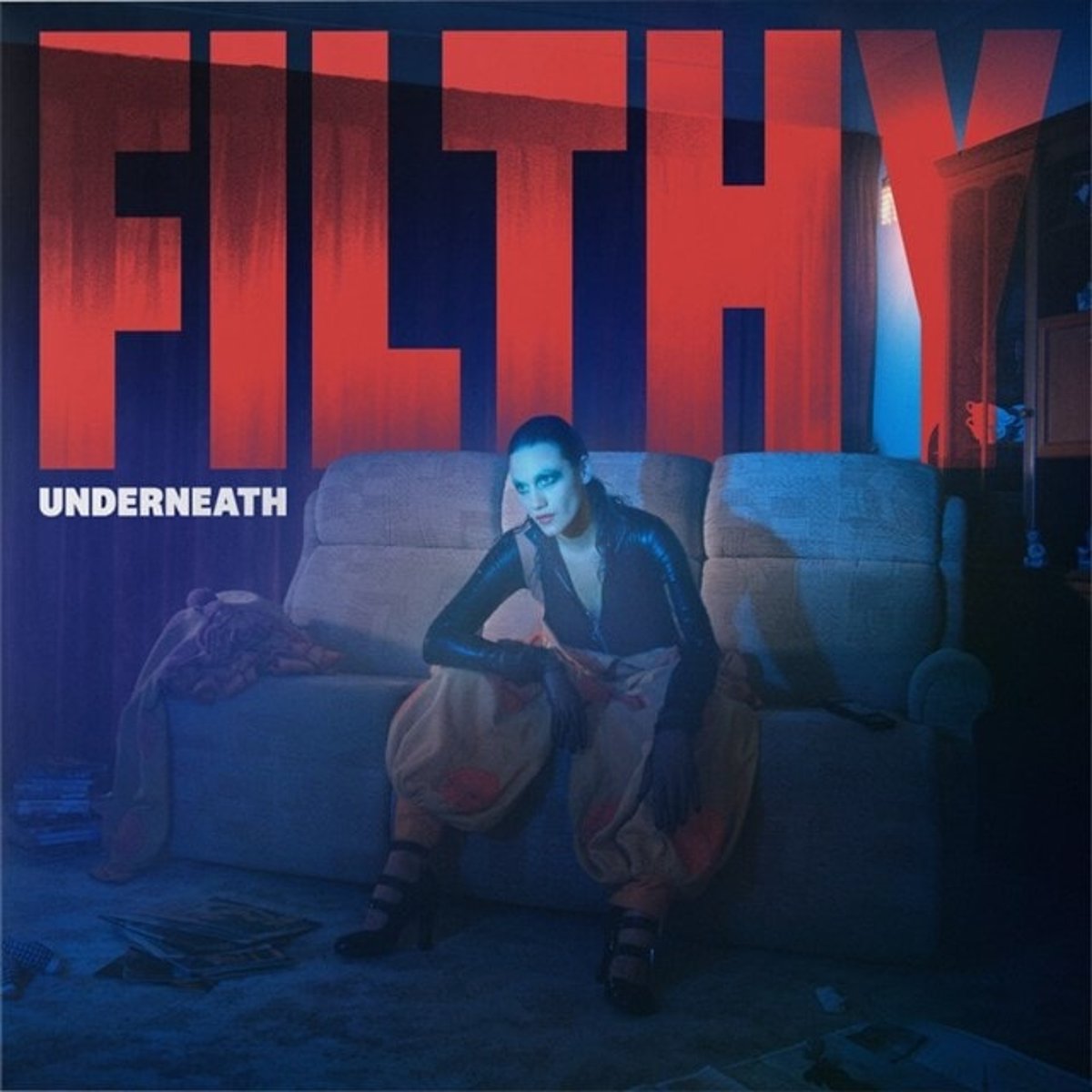
This is a very honest song; it must have been hard to write.
I’m very upset I didn't get an Ivor for that one! I know it sounds crude, but it’s my proudest work to date. It’s a collage of portraits of people that I met and loved when I was in rehab.
I don't know if there’s any truth in that you write better when you're sober because you have more clarity, I also don't want to encourage people to think that you must be inebriated or under the influence of something in order to be creative. I don't think there's a rule to be honest with you. Who knows?
I just so happened to be sober and to be writing about the people who were around me at that time. I never wrote as much as I did when I was in there. You had to keep a diary, it was a page a day, and you had to hand it in at the end of each day. I think a lot of that was safeguarding, so they could tell how people's mental health state was that day.
The nurses would read it on an evening to see if they had to look out for somebody, but getting into the routine of doing that, that practice is something that I still do. I also kept a separate little diary when I was in there, I'm sure they wouldn't have cared at all, and I was writing about the people around me. I started to write my sad little poems again. I really loved everybody in there, and there was only so much I could pack into that one song, but there's a few lines that I'm really happy exist in song form.
When I sing live, sometimes I’ll float off somewhere else, thinking about very mundane things, about what I'm going to eat when I get home, but I'm always very present in that song whilst singing it. It was meant to be a celebration, it might be quite macabre, and I don't know how other people would take it, but to me, it's a celebration of those people.
Even when things are incredibly hard, seeing the joy in things is really important, my Mum always told me that. Otherwise, you turn into Morrissey.
100%, especially in rehab. A lot of us had made attempts on our own life, had lost family, people were estranged from their sons and daughters and in really desperate situations, painfully sad situations, but I've never laughed as much in my life or met a funnier bunch of people than I did in that place.
The whole time I was in there I did have this deep desire of ‘we should sneak in some booze and see what happens, because this would be a riot, if you're like this sober, we'll have one heck of a party.’ There’s a gallows humour to the song, and I found a lot of that in there, the ability to be able to talk about the darkest things in your life, and then the next minute you’re belly laughing about something else.
It was a great opportunity that not many people are afforded to have. I ended up being there for three months. I was meant to go four weeks, I was going to escape at week two. But I could see it was doing a really good job, that I was on some kind of recovery, and then I wanted to stay for three months, and I did, and then I didn't want to leave.
What happened then?
They made me leave, you can very quickly become institutionalised in those places, and it was very expensive. I didn't have any grants or government help, I had money from friends and family, and that's why I'm saying it was a very privileged thing to be able to do.
To have that time to really shut off everything else, not having to worry about what you eat that day, doing your shopping, everything's decided for you, and when do you ever get an opportunity like that in life? To properly work on yourself for a concentrated amount of time like that, it's a real luxury, and I'm very grateful for it.
I think that's why that song's always going to be really important to me, because even if it’s quite a down lyric, to me it's reminiscent of that time, which was pretty radical.
And most importantly, you came through it.
I did, I’m still here.






 English (US) ·