
 1 week ago
14
1 week ago
14


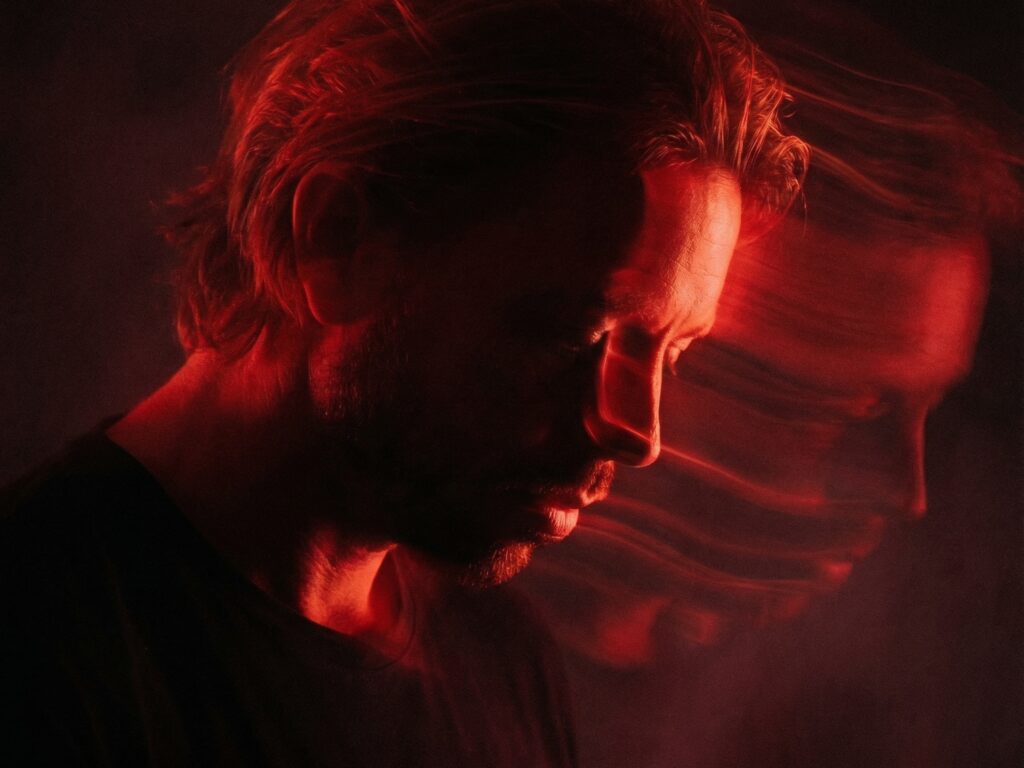
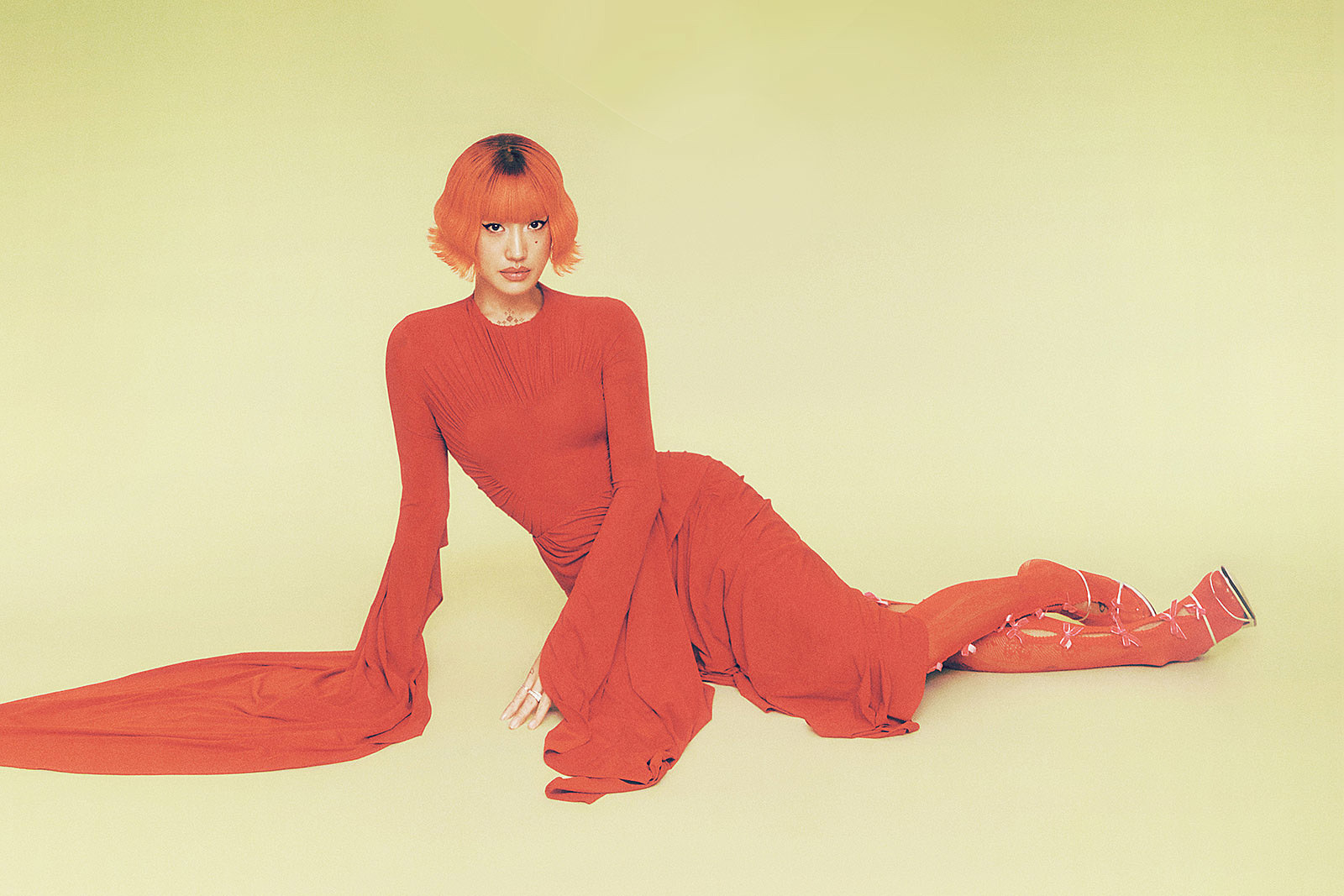
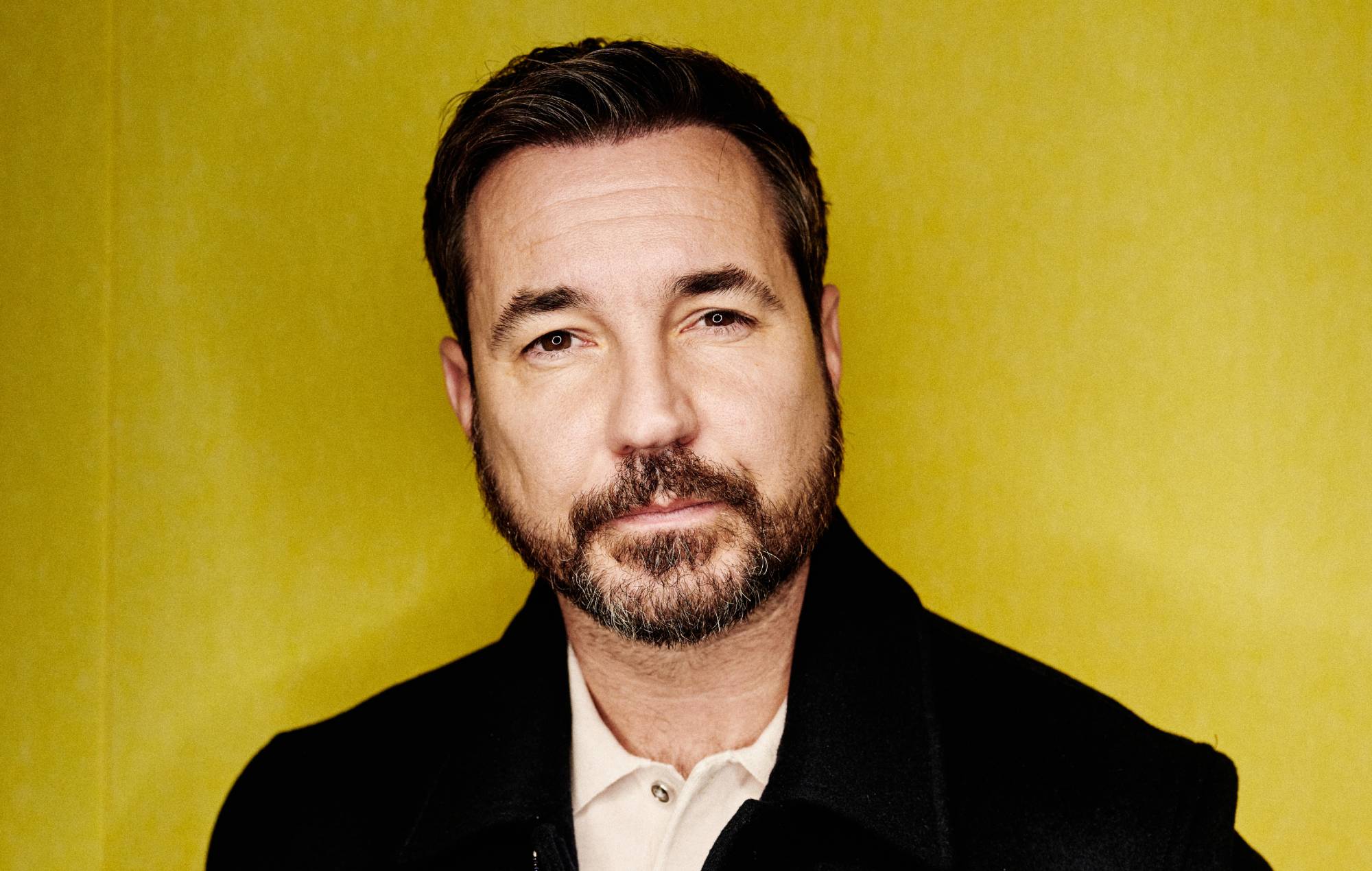
Lead photograph by Billy Zammit
“I wanna fuck my computer, 'cause no one in the world knows me better,” is the hypnotic, blood-shot mantra which runs through the hardwiring of Ninajirachi’s I Love My Computer – a valentine to a girlhood experienced before a screen as a mirror. The 26-year-old Australian artist evokes the euphoria of 2010s EDM when the internet was a wonderland of untapped possibilities; the promise was still intact, nothing hurt and everything felt massive.
With the reckless abandon of a pre-teen with a cracked version of FL studio, I Love My Computer calls upon neo-trance, dubstep, tech-house and the internet-spawned microgenres born from the digital boom in an act of what could almost be described as retrofuturism. But rather than creating a nostalgic simulacrum of these sounds, there is an intimacy and emotional weight which can only be glimpsed through the rearview mirror. Wilson makes the case, both implicitly and explicitly, that computer music is startlingly human – not only because it is an extension of ourselves, but because it’s ourselves represented in excelsis.
“iPod Touch” is a gleaming soap bubble recalling the hyper-textural sounds of PC Music. It captures the thrill of owning your first piece of tech which connected you to a bigger world and everything it represented: self-invention, possibility, escape, connection. “It sounds like / iPod little crack in the screen, FL studio so late I fell asleep on the keys / With it looping through the speakers bleeding into my dreams,” – recollections which, though personal, will still feel ultra vivid to those whose teens were intertwined with the internet.
Get the Best Fit take on the week in music direct to your inbox every Friday
I Love My Computer can unravel like a fairytale of self-discovery (“Fell into the screen like a star / As a girl found a world there and gave it my heart”), the story soon curdles. “Infohazard”, a dislocating freefall of a trance track, recalls when she witnessed the beheading of a man online when she was a teenager.
Even in its glazed simplicity, it gestures toward the lawlessness of the internet which children had numbly accepted. Perhaps even more sinister is the mind-melting dubstep love letter “CSIRAC”, where a voice – barely perceptible in the deluge of sound – whispers, “You are the girl, the one I want / I would never do anything to bring you harm.” She leads us into these unnerving corners of the internet, the weird chatrooms, catfishes and strangers, without problematising them. They simply are, and these truths are the brushstrokes that complete the portrait of the chronically online teenager.


BEST FIT: Honestly, I loved your album so much this year. We’re pretty much the same age, in our mid-twenties, and it feels like this is the first time that enough years have elapsed since the cultural references we’ve both grown up with can be captured in art. How do you feel I Love My Computer captures a particular time in your life, and what was your vision for the album?
NINA WILSON: I had a Google Doc with like 40 pages full of ideas, but one page in particular was about wanting to make sure I had something to show for most parts of my repertoire, if that's the word. I kind of went through my discography, all of the songs that I'm most proud of and felt very me, and decided, ‘Okay, I want to have something like this on the album and every kind of like version of myself that I'm really proud of.’ I didn't want it to just be like a banging EDM album; I wanted people to know that I'm a songwriter as well, and have it feel personal.
The vision for it just changed every day as I was making new breakthroughs. “iPod Touch” was a struggle to finish, it was so hard. There were times when I wanted to cut it, but it was one of the only songs that was actually about me that only I could’ve written so I had to push through and have it on there. The dance music of it all is just the timbre of the songs, but what I wanted for the album to have the feel of the music I grew up with and the music that made me want to be a producer. Dance music was just the perfect shell for my thesis to live in.
I like the idea of dance music being the shell which holds something far more personal and evocative of a particular moment in time. It really made me reflect on a time in my pre-teens which I haven’t given attention to before, because it only feels like now that enough time has elapsed where you can see the impact it has had. I’m sure you’ve seen people talking about this idea of “millennial optimism”, when Porter Robinson and Avicii were so dominant and everything sounded really massive and exciting. There was an incredible sense of optimism running through the music back then, like the party before the hangover. I feel like the music that you were making on this album really tapped into that feeling I think we've not really had in music since.
I guess it was an optimistic time, but because we were kids we were also probably sheltered from the horrors too. But those big EDM songs from that era – they were beautiful songs. If someone covers them on a guitar, it’s still beautiful music. It was only when the album came out and I started doing interviews that people started saying, ‘Oh, it’s really cool that you named your album I Love My Computer because I guess there’s a lot of tech doom and gloom at the moment”.
But I wasn’t even trying to make a conscious statement about making something that is the antithesis of that, nor was I trying to make a positive statement. I honestly just felt like this was a story about my coming-of-age I could tell through music. I’d never travelled for leisure or been on holidays growing up, so I’d only been able to see the world because of computer music. Maybe they go hand in hand: the time that I was growing up and the optimism of discovering these sounds for the first time, but also just a truthful portrayal of how I felt about my computer and computer music.
It's interesting you say that because it’s something I was thinking about, too. Even with a track like “Infohazard” - which reminds me of how lawless the internet was when we were growing up and how you’d see some really fucked up shit without looking for it – you present it just as a fact you absorbed. You don’t moralise it, or make a comment on it. You just share it as a time capsule of how it felt to be online back then.
I guess it’s because I can’t really imagine how my life would’ve been different had I not seen that stuff. It’s a universal, unavoidable part of growing up online. I mean, everyone kind of knows the video I’m talking about with that song. But people who are growing up online now will also be seeing pretty fucked up stuff that we didn’t have growing up. It’s like going through puberty, or something. It’s not nice, but it’s a part of life. Even with that song, I wasn’t trying to make any kind of statement with it. It was just what came out when I was noodling around over the instrumental with my voice.
Once I realised what the lyrics are about, I thought, ‘Oh, that’s kind of interesting. I haven’t heard a song about that before.’ Maybe there is one, but I haven’t heard it. I wasn’t trying to make a judgement on whether those experiences were bad or good. It happens to everyone, and it’s probably still happening.
There were so many videos that everyone of a certain generation will have seen without having to look very hard for them. It feels like there are more regulations and protective measures in place, but back in the 00s and 10s the internet felt so untested and like the wild west. “iPod Touch” was written so viscerally about memories brought up for you from that time. What was it like writing as little Nina?
I’m so much more similar to little Nina than I am to Nina five years ago, or in my late teens. I was just so unashamedly into what I was into. It was a really pure phase, right before you really hit puberty and start feeling self-conscious and worried about what people think. Even though none of my friends were into the same music or clothes, I would just express myself however I wanted. I think I’m trying to be more like that, more like little Nina. I think she was really cool. “iPod Touch” was about my own little world that I shared with it. I wasn’t mad about being in my own little world, either. It felt like I was almost gatekeeping it, in a way. I wrote it with my friend Darcy Baylis, and we were talking about older Australian electronic music and wanting to draw from that when we were making it. It was the hardest one to finish, it was so annoying. We made a lot of different versions of it, and in the end it was just one section that needed to be chopped after all this back and forth.
Tell me more about the Australian electronic music you were referencing.
For the joy of it, I was thinking mostly of Empire of The Sun. Their music was so universally loved, and a lot of the time they recorded stacked vocals so it sounds like a choir that everyone can sing along to at festivals in between acts. It’s music that makes people feel really good. When we were writing the rest of the album I wanted to capture a bit of that feeling, that millennial happiness we were talking about before which makes Australian electronic music so addictive.
On a wider scale, who do you think either on a mainstream or underground level completely changed the game of computer music growing up?
Skrillex changed the lives of everyone in our generation. There are super old memes of people being like, “No Skrillex, a laptop isn’t an instrument” and stuff - and I feel like maybe that generation of music producers broke a barrier of the world’s understanding of what computer music can be. Now, it’s not only widely accepted but beloved. It completely changed my life when I found his music. And of course, there was SOPHIE. Although I know SOPHIE used hardware - it wasn't all computer music - but still, it blew my mind when I was a teenager and I heard her for the first time. Porter Robinson and Madeon as well, and Umru who is a crazy computer music artist. And now, more than ever, people are finding new ways to reinvent the computer and are continuing to prove you can make anything with it.
I don’t know if it was the same for you, but my gateway to so much computer music was nightcore remixes. As soon as my YouTube algorithm started putting them in front of me, I couldn’t stop listening and it gave me an appetite for sounds which might’ve been seen as extreme in a mainstream context. I think it’s also interesting what you were saying that Skrillex, when he first emerged, was so mocked and hated by certain factions of the electronic music world – particularly in dubstep circles. Now, he has been recognised as a total trailblazer for a sound that lived in its own world. In the last ten years, computer music has had a total transformation in the cultural imagination.
Yeah, definitely. I guess as well, maybe much older people would have already had so much context for what they believe electronic music is that when computer music came along it would’ve obviously felt wrong. But then, for people like us, who were kids at that time, we had no context for anything. There was no cage around our mind. But YouTube was huge for me as well. I was too young to have experienced the blog era and torrenting with LimeWire, and I was also really scared of learning about it because I was irrationally scared of giving my computer a virus. But YouTube and SoundCloud were huge because you could upload music which wasn’t necessarily legal or released by a label, and sometimes it would lead you to the best music in the world. The YouTube algorithm back then was really cool, it would just show me stuff all the time that changed my life every day.


In the real world, in Australia, do you feel like people are isolated in their own lane or is there a very strong community of artists creating computer music in a similar vein to you?
Yeah, I think my immediate community is small and mighty. Everyone also knows everyone in Australia, because, you know, it's like a small country. I think everyone just really honestly loves music and is trying their best. The scene of people who make music adjacent to me in Australia is maybe quite small, but then if I’m on the line-up for a techno event we’ll still know each other and be like, ‘Oh my god, it’s awesome to see you.’ I think because it’s smaller there are more instances of different kinds of genres that normally wouldn’t go together. We’re all actually friends here in this community.
I think it’s worth talking about the impact of the internet having access to things like GarageBand and FL Studios. It was a great equaliser, in a way. I remember reading you’re from a working-class family in a small town, and I suppose the internet removed a lot of barriers for entry that might have still stood ten years before.
I was lucky that my mum very generously let me use her computer when I was a kid. She got a Mac computer when I was about eight years old for work, and she would let me play on it pretty unsupervised. It was kind of like a toy to me. I would make so many home music videos and I'm glad that I was able to learn that language of video editing so young because I feel like it’s so tied to music production. You still have tracks and a timeline and effects, and a lot of the workflows are the same. So I'm really glad I was able to absorb that early on, because later when I tried something more advanced, I was building from a solid foundation of understanding software. I don’t know if I would have even become a musician without it. I’ve never been strong at any instruments; I played the piano and clarinet growing up and I wasn’t incredible at either of them. I’m not a strong singer. I don’t know if I would have been a musician at all without computer music.
What were your earliest experiences with making computer music? I’d love to hear about your first experiments.
I was just using GarageBand, and it was a lot of using the presets and the Apple stock loops and writing songs over the top of them. I would write songs all the time when I was a kid, and they were always really basic. They'd just be about going shopping or something, but I would just write over the top of the stock Apple Loops and sometimes try to record my clarinet over the top. But I didn't know anything about tempo or the metronome, so I would just hit record and record through the Mac speaker, and I'd just be playing free time on the clarinet with this like, ticking that was out of time in the background. It was all very, very silly.
I also started trying to make DJ mixes in GarageBand, but again, I didn't know what I was doing. I didn't know how to automate. I didn't know anything about tempo. I would just be like, ‘Oh, these songs kind of sound good together.’ I'd lay them over the top and they'd be completely out of time. It was such a magical time, actually. It was so innocent when it still felt like a toy.

Computer music is so dominant in culture, and it’s transitioned from the underground to being widely embraced by the mainstream. What do you think the value of it has changed compared to the era I Love My Computer draws on?
Yeah, it's a good question. I mean, I love how democratising it is. Like you said, it's cool that anyone can do this if they have access to a computer and the internet. They can learn anything. Even if they're not a strong singer, they can learn to make music or find means to deliver their voice and their story. All through history, the quote-unquote great storytellers have been people of incredible privilege. It’s cool to imagine what stories might be told now anyone can share them.
And finally, I’d love to hear about the reactions to the album. Now it’s out in the world, how has it felt for you?
It’s been received so, like, crazily awesome. I've never made music that's affected people this way. Getting messages from people being like, ‘Oh, this song made me cry’, or, ‘This song made me realise it's okay if I can't sing, I should do it anyway.’ I know what it feels like to be those people who are sending me those messages because I've been affected by music that way when I was younger - and even now. To have made something that allows other people to have that feeling that is so cool. I don't know, the last four months of crunch time when I was finishing the album was hard, in the sense that it was a lot of work and manual labour and hours spent finishing stuff. But it was really easy in the sense that once I knew what it was about, I kind of just had a feeling that it was going to be good. But I never knew it was going to affect people this much. Towards the end, it almost felt like one of those things that had fallen from the sky into my lap. I can’t express how crazy it has been and how grateful I am to be able to connect with people like that.








 English (US) ·