
 1 month ago
16
1 month ago
16
Shifting between restraint and urgency, on “Cannonball”, distorted guitar lines and raw vocals clash and converge. Each note is a wound half-healed, every lyric an intimate confession.
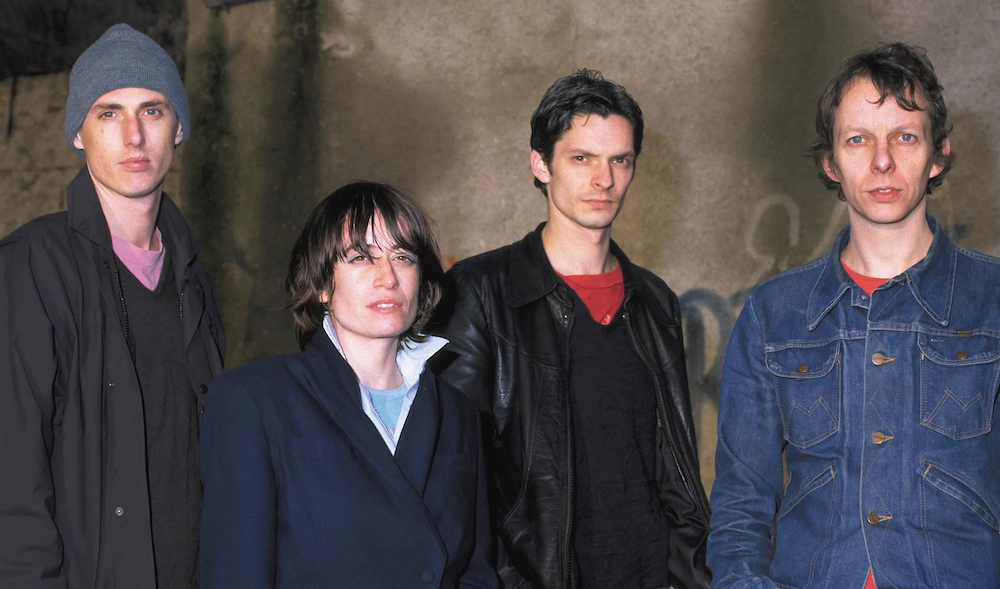
Bleech 9:3 commenced when Barry Quinlan (vocals/guitar) and Sam Duffy (guitar) met at AA, where Quinlan became Duffy's sponsor. “Essentially, the reason that we started the band is because we were dissatisfied with our current situations; we wanted to do something which we felt we could put our hearts into,” Quinlan shares. The band is rounded out by Quinlan's brother James on bass, and Luke O’Neill on drums.
Although based in London, they trace their influences back to the Dublin music scene. “Dublin is where we were born, where we started playing music, obviously, it’s where we found each other, and we’re influenced by each other,” Duffy says. “I’ve always played music with Luke, and finding Barry and James was probably my biggest inspiration out of the Dublin music scene.”
One of the first tracks Quinlan and Duffy wrote together, “Cannonball” came into being down the back of Duffy’s house, after they had spent a couple of hours doing recovery work. “There comes a time in every young man's life where they’re trying to navigate their relationships, what they know they should be doing, and whether they are ignoring that or putting themselves on the right track. It’s nice to look back on that time, and really relate that song to it,” Duffy reflects. “It definitely feels like a piece of the past,” Quinlan adds.
Raspy guitar strums sketch a fragile stillness before the track fractures into dissonance. The foundational bass drives the song into a feverish pulse, where distortion and intimacy entwine. “[‘Cannonball’] changed a bit from the beginning when we were first writing it in Sam’s house a few years ago,” Quinlan explains. “It felt maybe a bit more dreamy or 'midnighty', but as soon as Sam played it on electric guitar, he came up with that sort of screamy bit. The stabs that we do are a big feature of it; like an expression of what’s going on in your heart, and the echoes of hell that is happening in there.” He lets out a soft laugh.
Quinlan’s raw delivery teeters between tenderness and torment. In Bleech 9:3, intimacy feels unavoidable – etched from lived experience and shared vulnerability. Lines land with tender weight: “I take you out to put you through the test / and bring you out to fill the sky / And if this night falls down hard on you / You know I’ll be falling too.“ The lyrics cut into the melody’s strain, where love is rendered crushing, gentle only in its absence, and loyalty is proven through co-fall rather than rescue. “It’s a reflection of the bad worship we had gotten ourselves into, in the form of our respective lovers,” Quinlan shares. “That clarity found at the end of the song might have been the sign that the recovery work was actually doing its magic.”
The drums throb with a restless heartbeat, as the string interplay weaves between hypnotic grooves that cradle the listener, and sharp accents that keep them on edge. Stabs and screeches erupt and dissolve, surging toward a cathartic release. “One of the things that fascinates me the most about songwriting is that sort of strange alchemy between words and music,” Quinlan reflects. “You could write words on the page that seem kind of plain, but if you sing them with the right melody over the right chords or the right music, all of a sudden it starts to really come to light, and in a way you can’t have one without the other.”













 English (US) ·