
 2 weeks ago
13
2 weeks ago
13
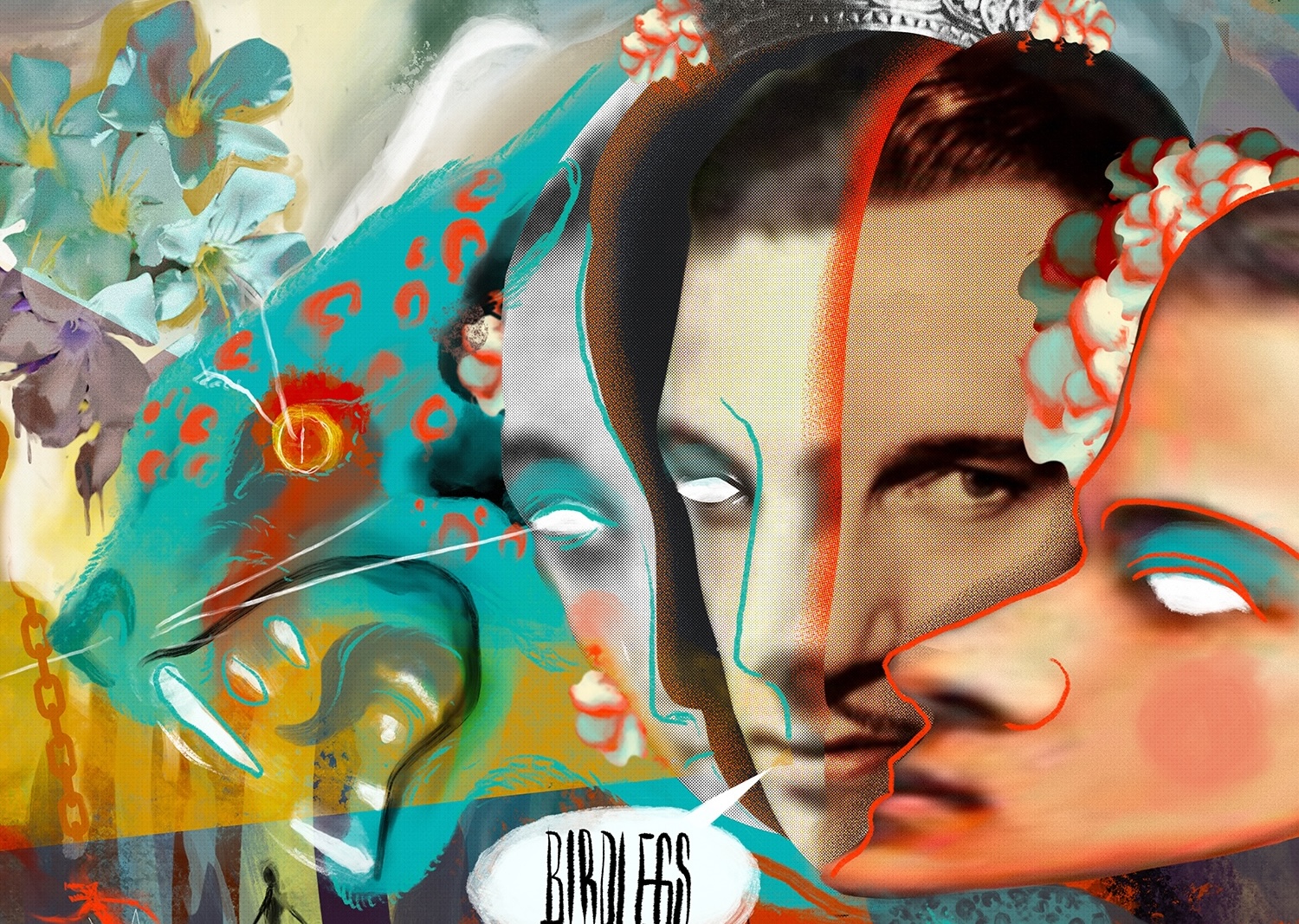
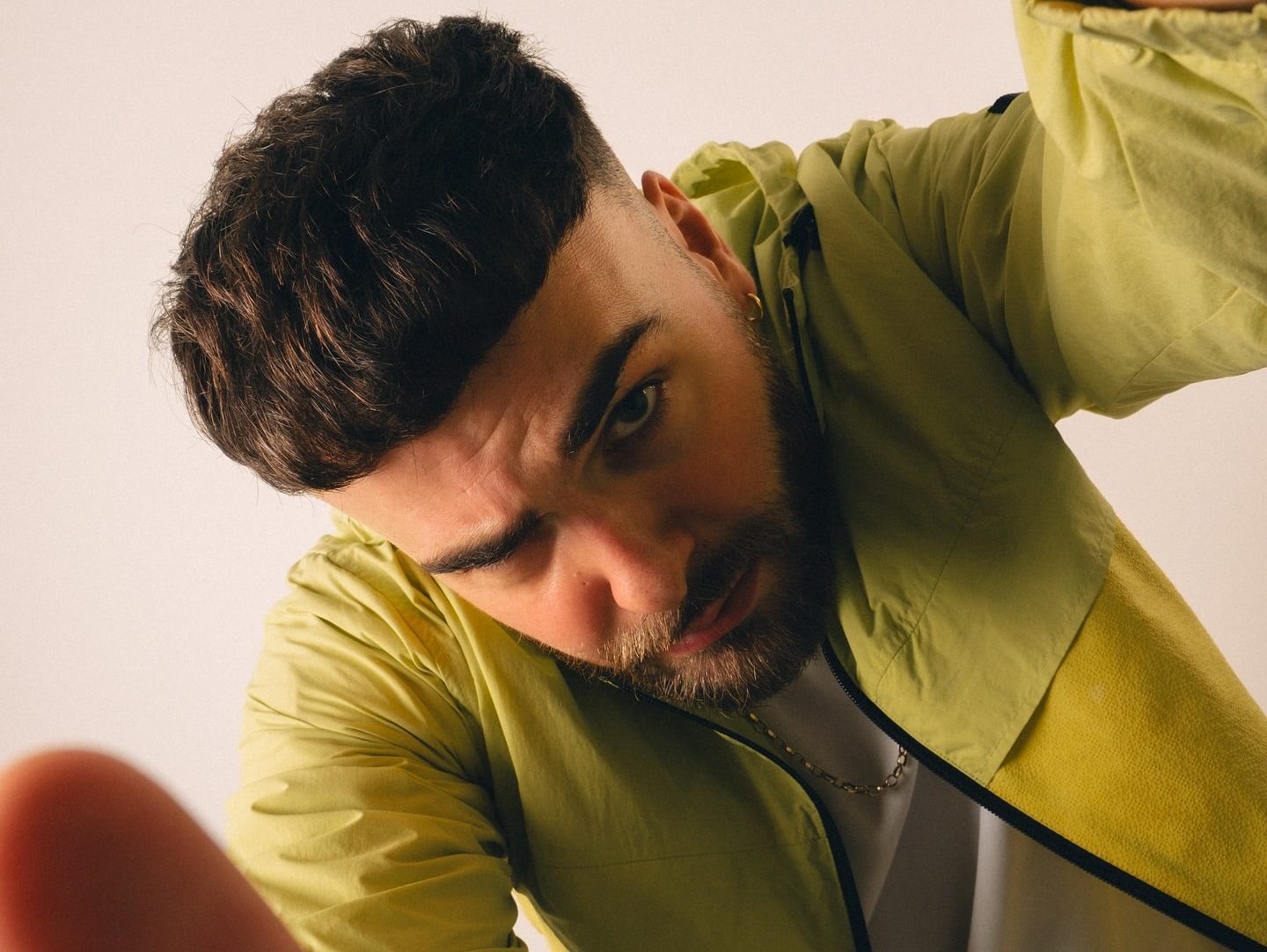
Ten years after releasing his explosive debut Built On Glass, Chet Faker has returned with the third record under his pseudonym. The project has coincided with albums under his given name, Nick Murphy, the former playing in the light and sky, the latter taking shape in the earthy darkness. But on new record A Love For Strangers, Murphy is bringing the two sides of his persona together.
“I feel like I hate to contradict myself,” laughs Murphy from his home in Sydney, Australia. It’s evening for him, sitting close to his laptop, baseball caps hanging from hooks in the background. It's been four years since the release of his second Chet Faker record, Hotel Surrender, an upbeat and carefree exploration of the psychedelic and absurd side of electronic pop. On his new offering, A Love For Strangers, he blurs those buoyant moments with a more tender and introspective approach.
Speaking to Murphy back in 2021, he described to me his eponymous project as his “Jungian shadow,” where he processed his darker, more uncomfortable energies. He said, “Nick Murphy's earth and Chet Faker is sky.” But A Love For Strangers takes a more inclusive approach, bringing together the two sides of his artistry. “Every time I draw a line in the dirt, a flower blossoms right on the other side of it. It's like my inspiration goes wherever I try to say it doesn’t,” he laughs. “I think I've sort of stopped thinking in this pigeon hole project way, and I've just started to pull from wherever feels right and instinctually feeling my way through the names. So they're just feelings now, and I feel like they're overlapping, kind of slowly folding into each other.”
Get the Best Fit take on the week in music direct to your inbox every Friday
Shooting to blogosphere fame in 2011 with his now infamous cover of Blackstreet’s “No Diggity,” he signed to Australian tastemaker label Future Classic and began touring the globe. It was a whirlwind with no break. “I didn't know how to handle it back then. I was like, ‘This is a lot of attention. I'm an introvert. What do I do with this? Like, run away,’ he says.
In a way he did, releasing music as Nick Murphy - a more sombre, introspective approach to songwriting which shied away from the glare of his breakthrough debut. He released two records, 2019’s Run Fast Sleep Naked and 2020’s Music For Silence, before returning to Chet Faker in 2021, as a reaction to the covid lockdown, with Hotel Surrender. A blissful record of warm basslines and smooth pop-soul, it was the perfect escape from the darkness in which it was formed.
That reactionary approach was the crux of his alter-ego. But since its release, he’s lived a rollercoaster four years that’s brought about a change in attitude, reuniting the diverse elements of his personality. “I almost feel like, since the very beginning, has been this whole split and slow reunion. I don't think I'm back here, but I feel like that's the way. Now I've said it, something else will happen and we'll talk in four years and I'll be like, well that was wrong. But that's what it feels like,” he says. “I think it was already split when Chet Faker blew up and I didn't know. Then as I learned about myself and recognised this, I jumped ship and went over here. That was the Nick Murphy era. And then I think I'm like, these are all facets of a similar thing and I feel like they're kind of converging. That's what it feels like.”

Part of this reexamination of the Chet Faker project was informed by the past five years of Murphy’s life. Fresh off the back of the pandemic he moved to Tucson, Arizona, before finally leaving America to return to Sydney. He fell in and out of love twice, in quick succession. “I'd been single for almost 10 years before it, but I fell in love twice in three and a half years, which is crazy for me. I can count on one hand how many times I've fallen in love,” he says. “Fail is a strong word, but there were just a lot of activities to do with the heart in a really short condensed period of time, and not just romantic love, which I know is sort of easy to digest. A lot of the songs get written through that cipher and filter, which is just a habit of mine.”
While writing Hotel Surrender, Murphy lost his father unexpectedly. Not ready to process the grief through his music at the time, that sense of loss also percolates through the core of A Love For Strangers. “This theme arose - the oldest and most important theme of all time - of love in my life. I really started to recognise some things in myself and became really interested because I fell in love so deeply and quickly in such a short amount of time twice, and then also lost my dad and had some other people in my life pass away. I really started to think about how we know people,” he says. “There's two flip sides of it - when someone you love, like a parent, dies, sometimes you start to have questions that you realise you don't have the answer to and you can never get them again. You're like, ‘Oh shit, I don't actually know and who the fuck do I ask?’ You realise in some ways, or I realised, that they're strangers to you, right? And similarly when you fall in love with someone it's often quickly - so we also fall in love with strangers. We almost fall in love before we know a person.”
Another big influence, especially on the production and construction of A Love For Strangers, came through the tenth anniversary celebrations of Built On Glass. With a series of special shows booked around the occasion, Murphy found himself revisiting the record properly for the first time in almost a decade. For his hometown anniversary show, he performed on the steps of the Sydney Opera House. “It was actually an amazing show, an amazing homecoming,” he smiles. “I have this new song called ‘Far Side Of The Moon.’ Most of the time you're in a state of adrenaline, but I get these moments where I'm able to check in and I know what I'm playing well enough that I can just take it in. I remember I started playing this song and I'm singing it and right above the Sydney Opera House is the moon. It's like this big round moon and I'm singing this song about the moon in front of nearly five-thousand people. I was like wow, this is pretty special.”
Murphy was putting together the anniversary shows around the same time he was putting the finishing touches to A Love For Strangers. Going back into those songs and having them as a touchpoint became oddly reflective. “I felt like I was both being reminded of how I did things and also why I did things. In a way, I was able to listen to at least some of that record as objectively as I possibly could for the first time,” he says. “There was kind of a PTSD a little bit around that because it just was so intense how big it got, and I really was just like this introverted kid. I think with that record coming out, within a year I played The Ellen Show which was like the most widely syndicated television program in the world and I was just like, what the fuck is going on?”
Going back over his early production and the space on the record, it slowly began to inform the final sound and mix of his newest work. “I'd been in America and New York a lot, and it's like pop is king there. When you get that kind of success, you get told it's all about the hook or it's all about the voice. I think no matter how much underground shit I listen to, that still seeps in,” he says. “I think being able to go back to that first record and hear like, there's points on Built on Glass where it's almost silence for a minute. It's just like a chain rattling and listening to that I'm like, damn, I would never do that today because people are too impatient. I think doing that and realising, actually people love that and I love that, kind of gave me a little bit of confidence as I was finishing it up to make those decisions of something that I would want to hear.”
There was also the impact of the pandemic. Even though it’s now been resigned to the darkest corners of most people’s memories, its impact had an undeniable effect on Murphy and his return to Chet Faker. “Hotel Surrender was immediately post-covid/in covid. I was smoking heaps of weed, I was dealing with grief, the world was ending, I wasn't touring, and it looked like we're all going to die. So it was this weird joyous manic celebration of just pure existence in the moment, and almost like a rejection of all the shit that I think this record is dealing with,” he says. “This one - I left New York. I moved to Tucson, Arizona in the desert, literally and kind of metaphorically. I didn't really know anyone except my two neighbors. I had one MAGA neighbor and one Democrat neighbor who hated each other and kept asking why I talked to the other one. I built a little studio in the backyard and it was just me and nature. So this was like a low cortisol record. The fact that I was able to be in a relaxed environment maybe allowed me to start to be able to dig into some of these more heavier, uncomfortable things which I probably didn't feel ready with Hotel Surrender. That's how I see it.”

Early writing for A Love for Strangers predated the release of Hotel Surrender, still in the hangover of Covid, and that crossover is evident in tracks like “This Time For Real,” as well as the record’s overarching sentiment. “I was kind of early on going out. There was a point where I was like, I might die if I go outside, but I got to go chat with someone,” he says. “There was this really interesting period when I was in the city where if you bumped into someone on the street, you would say hi to anyone and you would chat as long as no one had anywhere to be. I don't think I'd ever experienced that level of no one wanting to leave a conversation. It was nice.”
This mix of introspection and openness to following heart over head makes A Love For Strangers a rich and compelling listen. Murphy’s personal storytelling is warmly relatable, while the space in the production invites imagination. Blending intelligent song constructions with propulsive melody, he balances pop sensibilities against leftfield flourishes to create something as interesting as it is intricate. Opening track “Over You” is the perfect introduction, setting the tone with arching melody, gut-punch delivery and wide soundscapes. “OH NO OH NO” pairs gliding samples with bombastic synths and a sugar-rush chorus, cutting a brief interlude of pure joy. Conversely, “Remember Me” brings emotive strings together with subtle production and a heart-wrenching refrain. Across the record Murphy shines light on every aspect of his talent and process, creating a mature and developed body of work.
There’s also the constant presence of the piano, taking centre stage on songs like “Can You Swim?” and “Just My Hallelujah.” Yet it was only on Hotel Surrender that Murphy first recorded with it. “It's funny. Now I'm like, piano all the time - that's the guy,” he laughs. “It was the first time I played piano on the last record. This record is the first time I've ever played a full take on a record, where I just press play, played it, and then put stuff on top - but that's the song. ‘Can You Swim’ is technically, I think, two takes stitched together, but they were full takes. But, ‘Just My Hallelujah’ is one take.”
“Can You Swim” is an elegant and sombre approach to love and loss that encapsulates the record’s arching sentiment. Open to interpretation, Murphy twists metaphor and imagery to create something both heavy with emotion and indefinite. “I'd never recorded vocals and piano together before. It's actually quite an undertaking, I didn't realise. So I spent weeks trying to get the right piano sound with this microphone set up in my living room. I kind of love that it's just in my living room. It's not like in some fancy studio,” he says. “There's actually a little Easter egg in the second verse, which is crazy. The lyrics are, ‘Love is a passenger in my arms and I am a tidal wave, sound the alarm.’ Right before I sing ‘sound the alarm’ in the background is a siren passing. You can hear it if you listen - just drives past. I remember doing the recording and I was deep in the performance and hearing that and thinking, ‘Fuck, that's going to show up on the recording,’ and then singing ‘sound the alarm’ and it clocking in my head being like, ‘Wow, that's the one time that's okay.’”
There are also multiple intentional textures across the record, from the clunk of a cassette to the call of birds. “I think a lot of that was the Built On Glass influence,” he says. “Tucson is in the Sonoran desert and it gets a lot of birds, especially the snowbirds during the winter, they fly south. Because it's sunny every day, I would always have my studio door open. So, there were always these beautiful bird sounds, which is where most of that was recorded from. It was just me going and pointing [a microphone] out the door and it made me happy.”
Recent single “This Time For Real” is a straight shot of explosive pop. The video pits Murphy against the New York skyline, jet skiing in front of the Statue of Liberty. It’s an indulgent and hedonistic match for the track itself. The first song written for the record, it almost didn’t make the final tracklist. “I tried to cut that from the album the day before we went to print,” laughs Murphy. “To be totally honest, that's just a feel good track. It's just kind of about being a musician and it's a bit of a satire as well. I just remember I kept thinking of Len - ‘Steal My Sunshine' when I was making that song. Their music video - they're driving mopeds around and shit. I was like, ‘Let's get some jet skis or something like that.’ It was just this throwback reference. I think that's why I wanted to cut the song, because every other song has so much gravity for me and is so deep and this one is just literally, I'll be a pop star if you want.”

Mirroring light with shade, on “Inefficient Love” Murphy tackles the end of a relationship with an original, albeit gutting, clarity. “It's a really sad song and it kind of makes me feel sad. I'm like, damn dude - fuck,” he says. “But it is a feeling sometimes, that I think maybe a lot of people can relate to, where you're just like, I keep trying to make something work and it never works. Logically, a sane person might start to think, is there something wrong? Am I doing it wrong? I always think of when your blood is deficient. It's the idea that you're doing it right, but it won't work no matter how right you do it. I had a couple of intense relationships in a short period, so I was just kind of like, fuck. I mean, self-evident what I was thinking.”
One of the most impactful moments of the album is also one of its more delicate. On “The Thing About Nothing” Murphy is joined by singer and composer Sofia Insua who performs as aLex vs aLex. The pair met on Instagram, and Murphy reached out with an early version of the song, asking if she could provide vocals. “She sent me stuff back within the day. She didn't tell me, but she was sick as a dog at the time. Originally the chorus was my voice and she'd done harmonies, but when I was in there I turned my vocals off and what is now the chorus was just like a harmony that she'd done. I liked it so much that the whole song changed,” he says. “That one hook vocal, I kind of rewrote the whole thing and then put her voice right up the front. It's honestly my favourite part of the record when that happens. Her voice sounds fantastic.”
It also perfectly encapsulates the sentiment of the album as a meditation on connection, that someone remote can become so integral in one turn of events. “I became kind of fixated on this idea of how we can love people without knowing them. Not consciously, this was what was on my mind, and even on an interpersonal level - forgetting the heart, forgetting loss of a loved one, which are all very grand heavy themes,” he says. “I also just started to realise that I had developed a kind of distance from everyone I met. So when I met strangers, I didn't trust them until they showed me that they could be trusted, which is very logical and reasonable. I started to realise, if I can trust and love a parent or fall in love with a stranger, then there must be some way or some level that I can love every stranger.”










 English (US) ·