
 3 weeks ago
19
3 weeks ago
19
- The MPC's freedom to chop, loop, and reimagine the past into the future drove key sonic shifts in Black music.
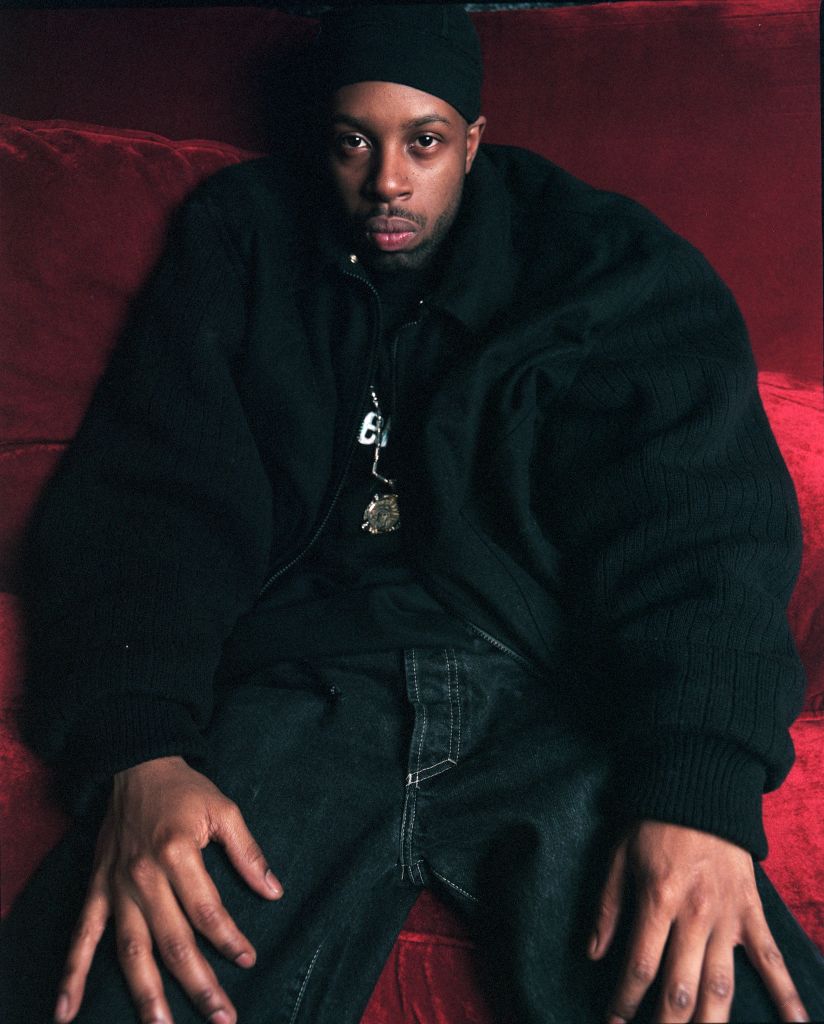 Source: Gregory Bojorquez / Getty
AKAI just dropped the MPC Sample, a new standalone portable sampler that takes the classic MPC idea and shrinks it into a more mobile, grab-and-go machine. It brings the MPC workflow into a compact format with 16 pads, standalone sequencing and sampling, built-in audio capture, battery power, and a price of around $399. That matters because the MPC is not just another piece of gear in Black music history. It is one of the machines that helped turn beatmaking into its own instrument, and this new drop feels like a reminder that the culture-shifting legacy of the MPC is still being rewritten in real time.
To understand why that matters, you have to go back to the beginning. When Akai introduced the MPC line in 1988 with the MPC60, it gave producers a machine that made sampling, sequencing, and drum programming feel physical, intuitive, and musical. More than just a technical breakthrough, the MPC helped make the producer a star in his own right. It lets Black creators pull from crates, churches, jazz records, soul cuts, and street energy, then flip all of that into something brand new with their own timing and feel stamped all over it.
What changed forever was power. The MPC let producers build whole sonic worlds from a few seconds of sound, and that changed how Hip-Hop, R&B, neo-soul, and eventually pop itself were made. It made the bedroom feel like a studio, the record collection feel like an instrument, and rhythm feel like something you could literally touch. A lot of Black music’s most important sonic shifts over the last few decades came from that exact freedom: the freedom to chop, loop, swing, stutter, and reimagine the past into the future.
Love Hip-Hop Wired? Get more! Join the Hip-Hop Wired Newsletter
We care about your data. See our privacy policy.
J Dilla might be the clearest example of the MPC becoming bigger than the machine itself. Dilla used his gear to blend soulful samples, innovative percussive loops, and futuristic textures into a sound that helped define Hip-Hop and the neo-soul resurgence. What made him special was that he made the MPC feel human. His drums did not just land on the beat; they leaned, dragged, floated, and breathed. That off-center feel changed how an entire generation heard groove.
Questlove belongs in this conversation because he helped carry that MPC mindset into live music. In his Red Bull Music Academy talk, he digs deep into Dilla, drumming, and how pocket and imperfection can change everything. That matters because Questlove became one of the best examples of how MPC logic could move beyond pads and into live bands, shaping the feel of The Roots, the Soulquarians era, and a whole wave of Black music that prized looseness, depth, and emotional timing over robotic perfection.
Ye helped make the producer’s machine feel like a public-facing instrument. He performed with an MPC onstage, but even beyond that, his early soul-sample era showed how the MPC could turn old Black records into triumphant, chipmunked, emotionally huge anthems for a new generation. In Ye’s hands, the MPC was not just a tool for making beats. It was part of the broader shift in which the producer became the visionary, the architect, and sometimes the main character.
Dr. Dre represents another side of the MPC legacy: precision, polish, and knock. Dre kept multiple MPCs in his studio, which makes sense given how central that workflow was to crafting records that felt clean, cinematic, and impossible to ignore. If Dilla showed how elastic and human the MPC could be, Dre showed how hard and controlled it could be. That range is a big part of why the machine became so foundational in Black music in the first place.
Pete Rock’s connection to the MPC is about warmth, touch, and soul. Over the years, Pete has made it clear that he prefers using hardware and building beats by hand. That kind of hands-on approach is a big part of why the MPC has remained so important. For producers like him, the machine was never about convenience. It was about feel, about building drums and chops with your hands, and about making records that sounded lived-in instead of overly polished.
Just Blaze came from the generation that inherited the MPC blueprint and made it feel even bigger. He is one of the key hitmakers of the early 2000s, and his catalog shows how sample-based Hip-Hop production could become grand, cinematic, and arena-sized without losing its roots. His music is a reminder that the MPC did not only help create dusty basement classics. It also helped shape glossy, triumphant records that pushed Black production deeper into the center of mainstream music.
DJ Premier is proof that MC culture never really left. His consistent chopped loops, stripped-down drums, and razor-sharp sequencing became the sound of New York rap at its hardest and cleanest. When people talk about boom bap as a language, much of that language was sharpened by the MPC-based discipline Premier helped define. He showed that limitations could become style, and style could become legacy.
That is why this new MPC Sample drop means more than just gear talk. The new device is being positioned as a compact, battery-powered, mobile-first take on the classic MPC formula, with built-in speaker and mic, microSD storage, USB-C audio and MIDI, internal effects, chop mode, and up to five hours of battery life. In plain English, AKAI is trying to put one of Black music’s most important creative workflows into more backpacks, more bedrooms, and more young producers’ hands. And historically, when the tools get smaller, cheaper, and easier to touch, Black music tends to find another way to change everything again.







 English (US) ·