
 1 month ago
18
1 month ago
18

As often happens, the week of MLK Day is a monster for announcements but new releases go, we’re still in the feeling out the year stage. I review four albums from: feisty London garage punk trio Hot Face, Pavement-influenced UK band Langkamer, enigmatic producer Craven Faults, and reggae/dub icon Dennis Bovell.
This week’s Indie Basement Classic hails from 1991 and is full of bright lights and cool, cool people.
Need more reviews of the week’s albums? Head to Notable Releases. for Andrew’s thoughts on new ones from IDK, Roc Marciano, Lucinda Williams and more.
After a holiday hiatus, the BV Interviews podcast is back and this week I talked to Jason Williamson from Sleaford Mods.
As I mentioned, this week was absolutely stupid with news announcements. Some highlights: There’s a new War Child HELP album and the lineup might be even more impressive than the 1995 original (Pulp, Arctic Monkeys, Fontaines DC); Sugar announced their first big tour in 30 years; The Human League announced a tour with Soft Cell and Yaz’s Alison Moyet; The Chameleons will be back in North America this year; Afghan Whigs will tour with Mercury Rev; Tanya Donnelly and Chris Brokaw made an EP of medieval music; and there were new album announcements from The New Pornographers, Courtney Barnett, Bibi Club, and more
RIP Midnight Oil powerhouse drummer Rob Hirst.
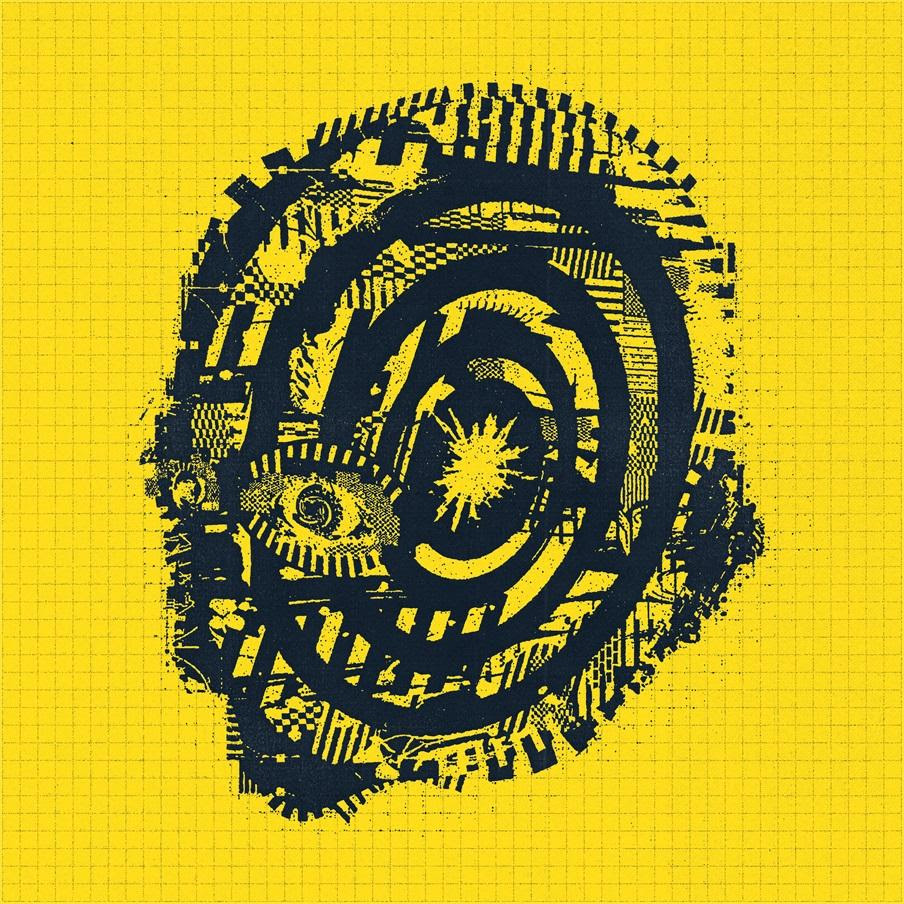
Hot Face – Automated Response (Speedy Wunderground)
Recorded live to tape in a single take by producer Dan Carey at Abbey Road Studios, this London trio’s debut is a sweaty, punky good time
London trio Hot Face’s debut album opens with a song titled “Defenestration,” which is one of those words — like “triskaidekaphobia” — that I’m not sure why I know what it means, or why there’s a word for it at all. It means “the act of being thrown out a window,” and in this case it’s a perfect introduction to an album that starts with a smash and keeps flying through its breakneck 10-song, 25-minute runtime. Their snarling style is rooted in early UK punk (The Damned, The Adverts), by way of the ’00s rock revival (The Hives, The Libertines), and Automated Response ripples with electricity.
That’s partially due to how Automated Response was made. Speedy Wunderground owner and indie megaproducer Dan Carey stumbled upon the band and, while at a festival in Amsterdam, pitched them an idea: record the album live to tape in three takes, with the final take performed in front of a live audience. Then came a twist — he later called to say he’d secured time at Abbey Road Studios the following week. They indeed bashed it out in a day, with Carey manipulating the sound live and leaving in any blemishes.
Automated Response barrels ahead with a tightly curated tracklist where songs flow into each other like a relay race played with hot rods. The punk bashers — “Cavern Killer,” “Bumble Been,” “Red Fuzz” — hit the hardest, but more nuanced cuts like “Sinnes” and the title track keep things dynamic. Designed with the live show in mind, the album is wildly effective — and should sell a few concert tickets in the process. Come to the US, boys!
—

Langkamer – No (Breakfast Records)
Fourth album from this British band who are not ashamed to admit they like Pavement
Bristol, UK band Langkamer are about as indie rock as it gets, with a shambly, countrified, post-Pavement two-guitar interplay that can’t hide how good they actually are at their instruments, and a lyrical approach that favors twisting pop culture references into something more interesting. No is the band’s fourth album, and they lean into their influences, making it with Pavement soundman Remko Schouten at his Zarzalico studios in Murcia, Spain. You can feel the location’s sun-baked vibes on these breezy, twangy songs that nonetheless carry an anxious, lonely undercurrent.
“I am gonna lay in the grass / Be the sort of guy to watch the clouds going post / And be the sort of guy just to watch them going east and over,” singer/drummer Josh Jarman declares on “Easterly,” before revealing that it’s “Almost like I’m really living in the moment.” He’s constantly searching for contentment — if not happiness — but continues to find the world not amenable to his goals. That might be the No of the album title, whether due to heartbreak, gentrification, or the brutal gig economy.
Nothing is stopping him and the rest of the band from crafting more wonderful, knotty, choogley earworms, though — making this No a big Yes.
—

Craven Faults – Sidings (The Leaf Label)
Moody alien landscapes unfold on the fourth album from this enigmatic producer
Some bands make music that sounds like their name (Loop, for example). Craven Faults makes music that sounds like his album art — always a stark landscape of some sort, shot in high-contrast black and white. The enigmatic producer’s music is equally shaped by his surroundings, describing it as “half-remembered journeys across post-industrial Yorkshire.” It’s droney, dark, repetitive, and heavy — without ever relying on distortion to get you there. Think Steve Reich or Tangerine Dream in an especially shitty mood. It could be techno, but he never lets it get there — it’s like waiting in line in the rain to get into Berghain but being turned away at the door.
Sidings is the fourth Craven Faults album, and it’s another immaculately crafted and deliberately paced visit to a barren but beautiful alien world, where nature and machines begrudgingly coexist. This music isn’t exactly welcoming, but Craven Faults has left the door unlocked — if you want to come in.
—
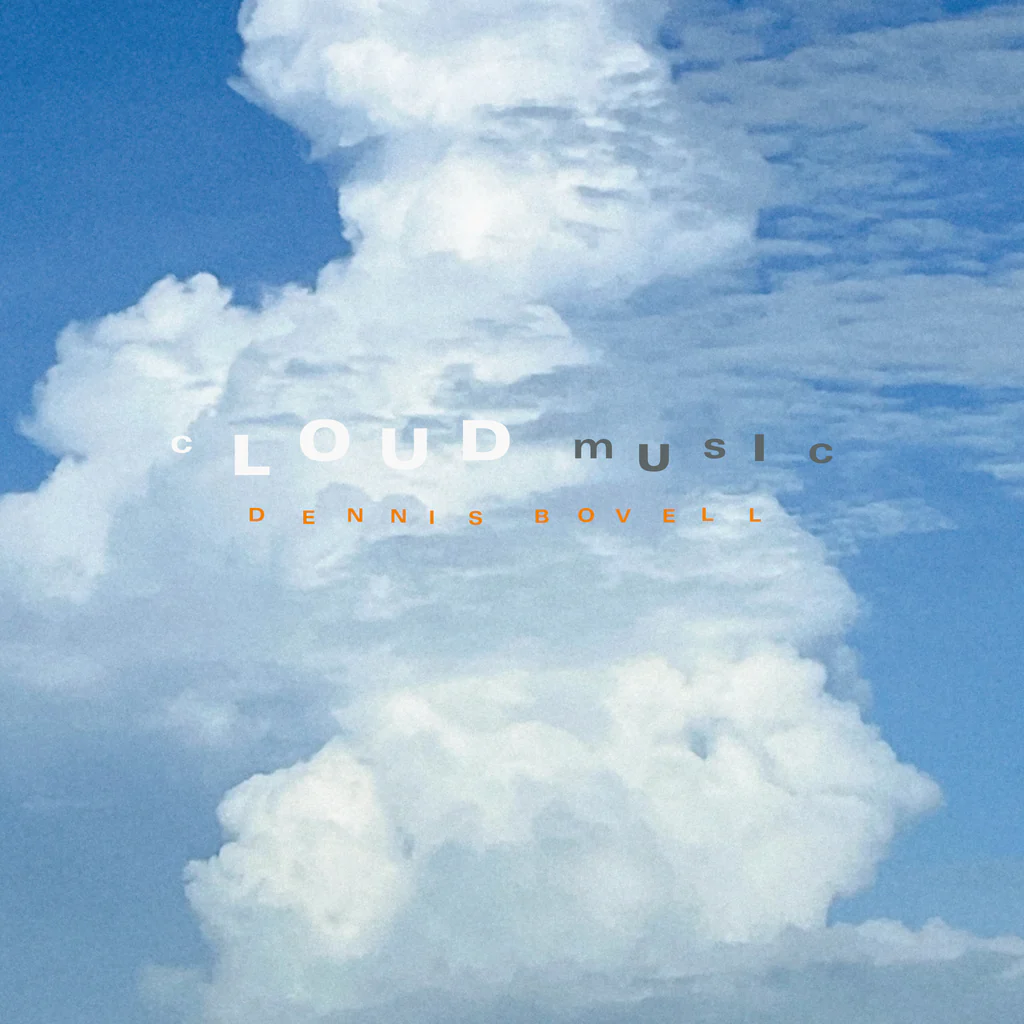
Dennis Bovell – cLOUD mUsIc (Be With Records)
The Lovers Rock and post-punk producer unearths this “long lost” gem featuring Library Music exotica, disco and funk
Dennis Bovell has covered a lot of musical ground over the last 50 years. Born in Barbados, he moved to England in the ’70s, where he played in prog rock band Stonehenge, who later transformed into reggae group Matumbi. He’s released plenty of his own music — check out 1981’s Brain Damage — but he may be best known for his production work, becoming an architect of Lovers Rock and dubby post-punk. He produced everything from Janet Kay’s iconic “Silly Games” and Linton Kwesi Johnson’s Forces of Victory to The Slits’ Cut, The Pop Group’s Y, and Orange Juice’s self-titled 1984 album. He’s a very cool dude.
cLOUD mUsIc is unusual even for someone like Bovell, who seems to have done it all. It was made as a library music album — music created for use in film, TV, and commercials without being commissioned for a specific project. Library Music had its heyday in the late ’60s and early ’70s through labels like KPM and Tele Music, and there’s been a cult following since the ’90s when beatmakers started mining these records for samples. It’s unclear when these tracks were actually recorded — notes call this record “long lost” — but it has that golden era of Library Music feel to it with five funky, groovy, disco-inflected instrumentals adorned with strings, flutes, and all the flourishes.
“Rebel Funk” and “Too Funky to Be True” are particular highlights, showcasing Bovell’s mastery of sonics and great touches in the arrangements, like Morricone-esque vocalizations on the former. The first side of the album features the original tracks, while Side 2 lets Bovell go wild at the controls with dub versions — which might be even better. “Rebel Funk” certainly is.
Originally made for current Library Music label FOLD, cLOUD mUsIc is now out for everyone to dig into.
—
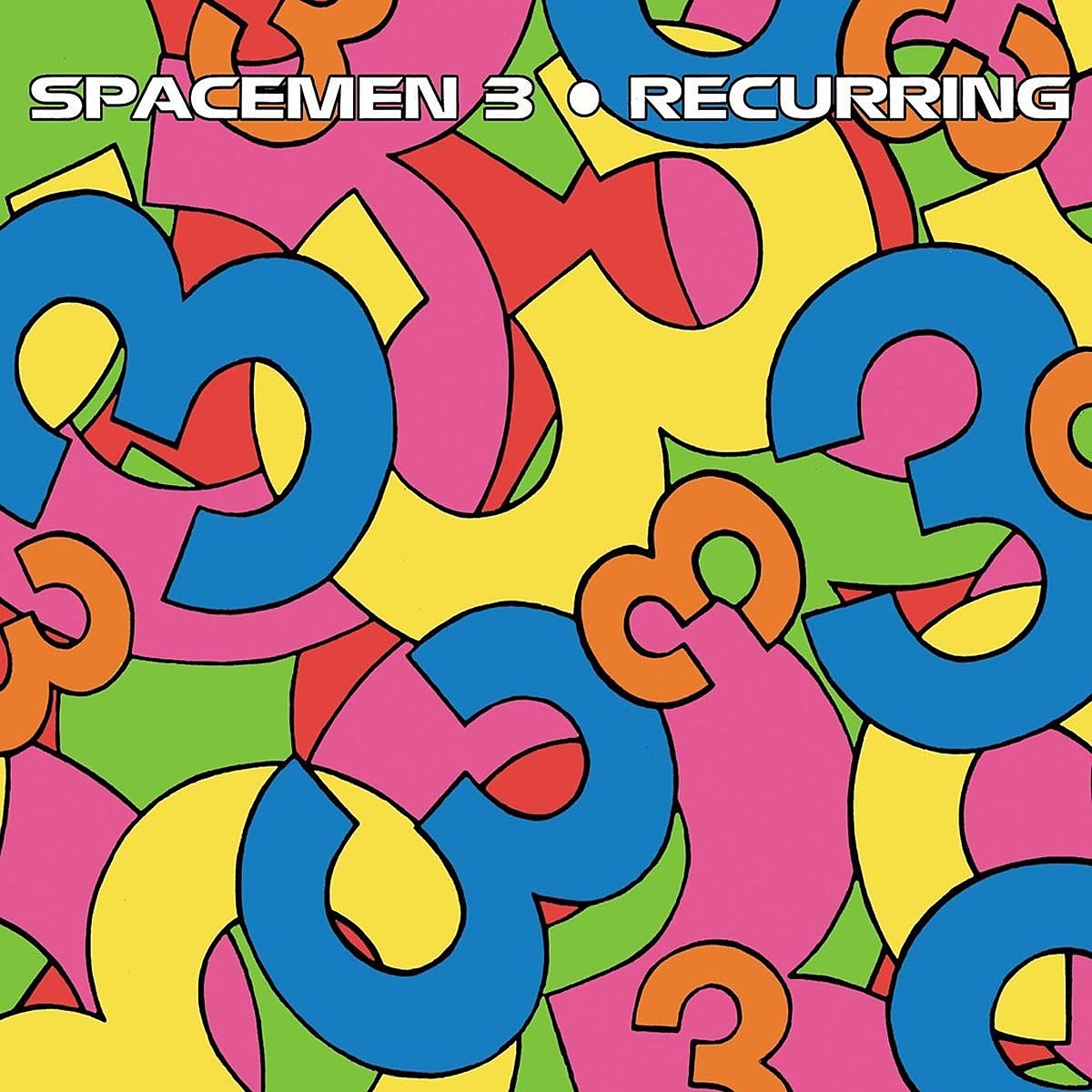
INDIE BASEMENT CLASSIC: Spacemen 3 – Recurring (Fire/Dedicated)
Sonic Boom and J. Spaceman went out on a high (pun intended) with their trippy farewell
Psychedelic duo Spacemen 3 — whose 1990 release Taking Drugs to Make Music to Take Drugs To was a title that also summed up the band’s MO pretty succinctly — had effectively fallen apart by 1989, with J. Spaceman (Jason Pierce) and Sonic Boom (Pete Kember) already releasing singles with their new projects, Spiritualized and Spectrum. But they had one more Spacemen 3 record, Recurring, which finally saw release in early 1991.
Relations between Pierce and Kember had degraded so badly by that point that they couldn’t even stand to be on the same side of an album. Sonic Boom’s songs appear on Side A, while J. Spaceman takes Side B. (A cover of Mudhoney’s “When Tomorrow Hits” — the only track they both appear on — divides the halves on the CD.) That rivalry ultimately made Recurring a better record. Kember’s “Big City,” dipped in ecstasy/rave culture, opens the album — it also had a moment back in 2021 — and what follows is a warm comedown, including mellow standouts like “I Love You” and Pierce’s horn-powered “Hypnotised,” which pointed toward the direction Spiritualized would eventually take. Despite the bad vibes, Recurring is a wonderful final trip.
Looking for more? Browse the Indie Basement archives.
And check out what’s new in our shop.













 English (US) ·