
 3 weeks ago
14
3 weeks ago
14
Happy February, I guess? 2026 rolls on, snow is still piled up everywhere in Brooklyn, and this week doesn’t bring warmer weather but it does have two albums that I’m sure will be on my Best of 2026 list come December. Head below to find out what those are, and I also review new records from Daphni (Dan Snaith of Caribou) and former Black Box Recorder singer Sarah Nixey.
This week’s Indie Basement Classic is my favorite R.E.M. album that is also celebrating its 40th anniversary this year.
Over in Notable Releases, Andrew reviews new albums from Ratboys, Him Horrison (Deedee from MSPAINT), Joshua Chuquimia Crampton (Los Thuthanaka), and more.
The Record Store Day 2026 list of exclusive releases was announced this week and I’m eyeing that reissue of Pavement’s Perfect Sound Forever.
You can catch up on last month with the Indie Basement Best Songs & Albums of January 2026 roundup.
This week’s episode of the BV Interviews podcast features my fun, occasionally chaotic, conversation with all four members of Dry Cleaning.
Head below for this week’s reviews.
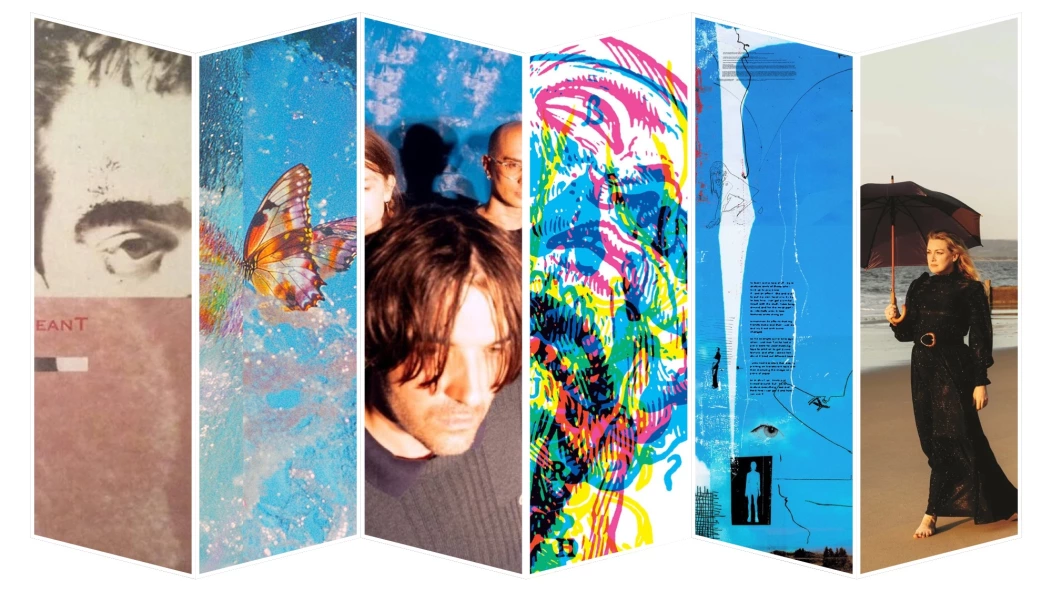
ALBUM OF THE WEEK #1: Ulrika Spacek – EXPO (Full Time Hobby)
What if Portishead’s Dummy, Radiohead’s Kid A, and Bjork’s Homogenic were made today by one band on one record? It might sound something like this.
London art-psych band Ulrika Spacek have always had a collage-like approach to their music, taking ideas from jam sessions and using them as raw materials for fully formed songs. On their fourth album, however, they’ve taken that concept one step further, sampling themselves to create a personal “sound bank” from which they built beats and skeleton ideas that the band then fleshed out by playing overtop.
Ulrika Spacek aren’t the first rock band to use a method like this, but in their skilled, creative hands, it’s resulted in their best album yet — full of memorable songs while paving all manner of new side streets on their unique roadmap. One way to describe what they’re doing on EXPO is to “Build a Box and Break It,” which also happens to be the title of one of the album’s most striking, immediate tracks. The beat is a little reminiscent of Portishead’s “Strangers,” but the band soon pushes it into rock territory while keeping things surreal and cinematic. Bandleader Rhys Edwards’ wavering falsetto only adds to the song’s eerie charm.
There are moments on EXPO where they incorporate drum-and-bass, jungle, and other electronic styles in ways that recall Dummy-era Portishead, Björk’s Homogenic, and Kid A-era Radiohead — but it’s all made by the same band on the same album. That said, it still sounds undeniably like Ulrika Spacek, with their distinctive swagger, swooning melodies, and interlocking guitar lines. Moody and memorable tracks like “Square Root of None,” “Picto,” and “Showroom Party” are all elevated by sampled textures that act as high-octane fuel.
Ulrika Spacek remain one of the most unique rock bands of the current era, and EXPO is a stunning showcase of what they’re capable of.
—
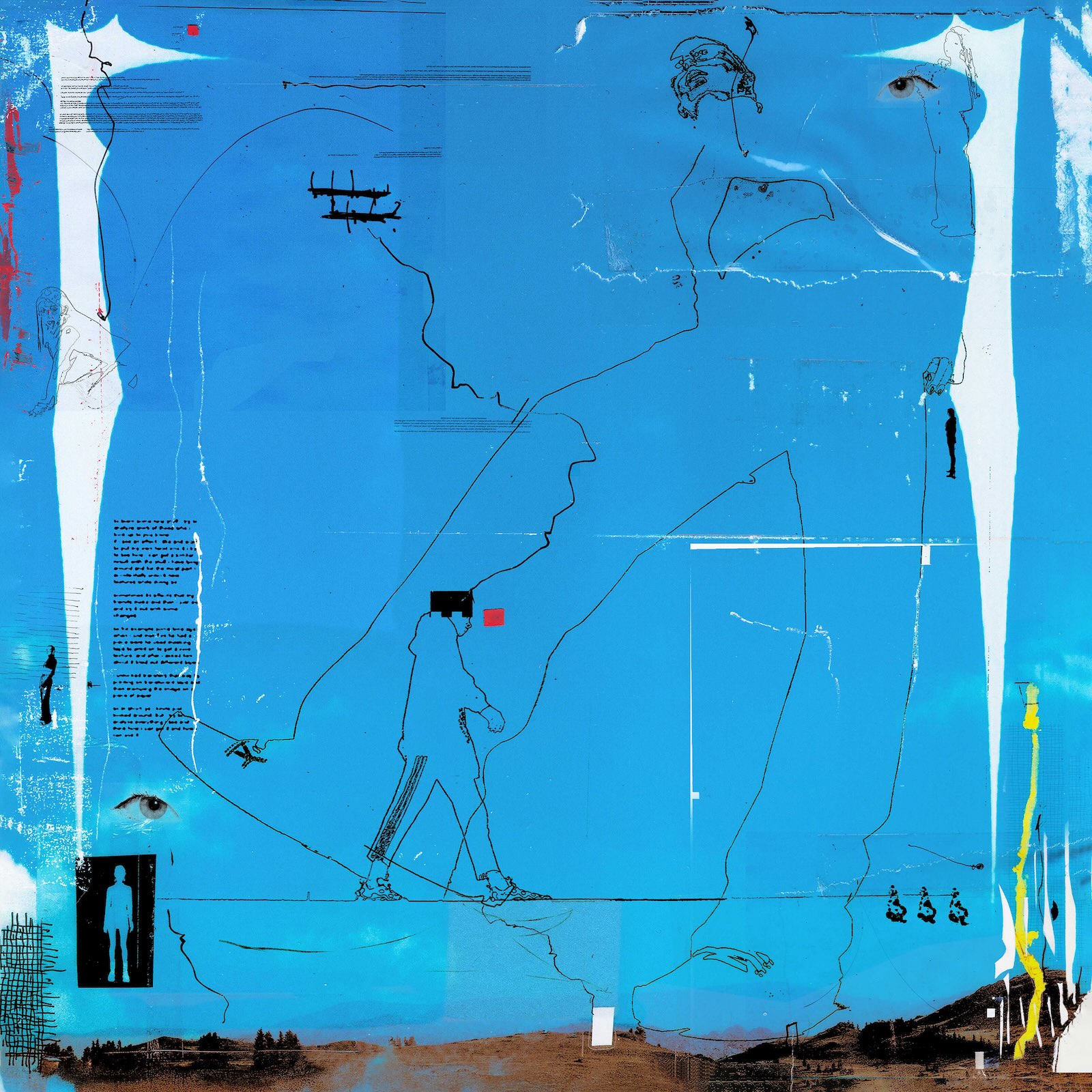
ALBUM OF THE WEEK #2: Mandy, Indiana – URGH (Sacred Bones)
Second album from this Manchester-based band continues to fiercely smash industrial and techno and rock into primordial rage bangers
Valentine Caulfield, vocalist for Manchester-based band Mandy, Indiana, is French, and most of her lyrics are in her native tongue. You don’t need to speak the language to get the gist on URGH, a guttural title that needs no translation: she and her band are mad as hell.
Even more than on their 2023 debut album, this quartet are wound up and ready to go off. Industrial music is still at the heart of what Mandy, Indiana do — it not only sounds like it was made in a factory, but also with a factory — and the record opens with what sounds like a drill being burrowed straight into your skull. Caulfield shrieks (here translated into English), “Abandon! All hope! Because tonight! I’m coming for you!” Across the album’s 11 tracks, all manner of clanks, crashes, and klaxons provide percussion alongside the wallop of actual drums.
This isn’t just a jackhammer assault on your senses, though. In addition to flexing their muscles, Mandy, Indiana are also expanding their range. URGH is angrier, harder, and more visceral — but also more nuanced. “Sevastopol” runs a trap beat through a Berlin warehouse, rattling your windows out of their frames, while Caulfield’s vocals are pushed through extreme autotune, making her sound like the drill bit on that power tool. But the song ends with a coda that leans more classical than industrial.
Elsewhere, there are chopped-up acoustic guitar strums sprinkled into “try saying” that brighten the otherwise intense assault of percussion and sound design; “Dodecahedron” struts with icy glamour; and “A Brighter Tomorrow” sounds like a slow evacuation through Siberia. URGH closes with its three best tracks: “Sicko!” — full of blasting lasers and a verse from rapper billy woods; “Cursive,” a killer techno banger; and “I’ll Ask Her,” the album’s only English-language song and a bleak, devastating account of a sexual predator, its pounding backing amplifying the tension.
URGH isn’t what I’d call an easy listen, but it’s never less than compelling as this unique band hone their craft and sharpen their swords. “We aren’t here to provide answers as much as continually drawing people’s attention to the problems and not letting that conversation die,” they say. Mandy, Indiana won’t let you sleep on it, that’s for sure.
—
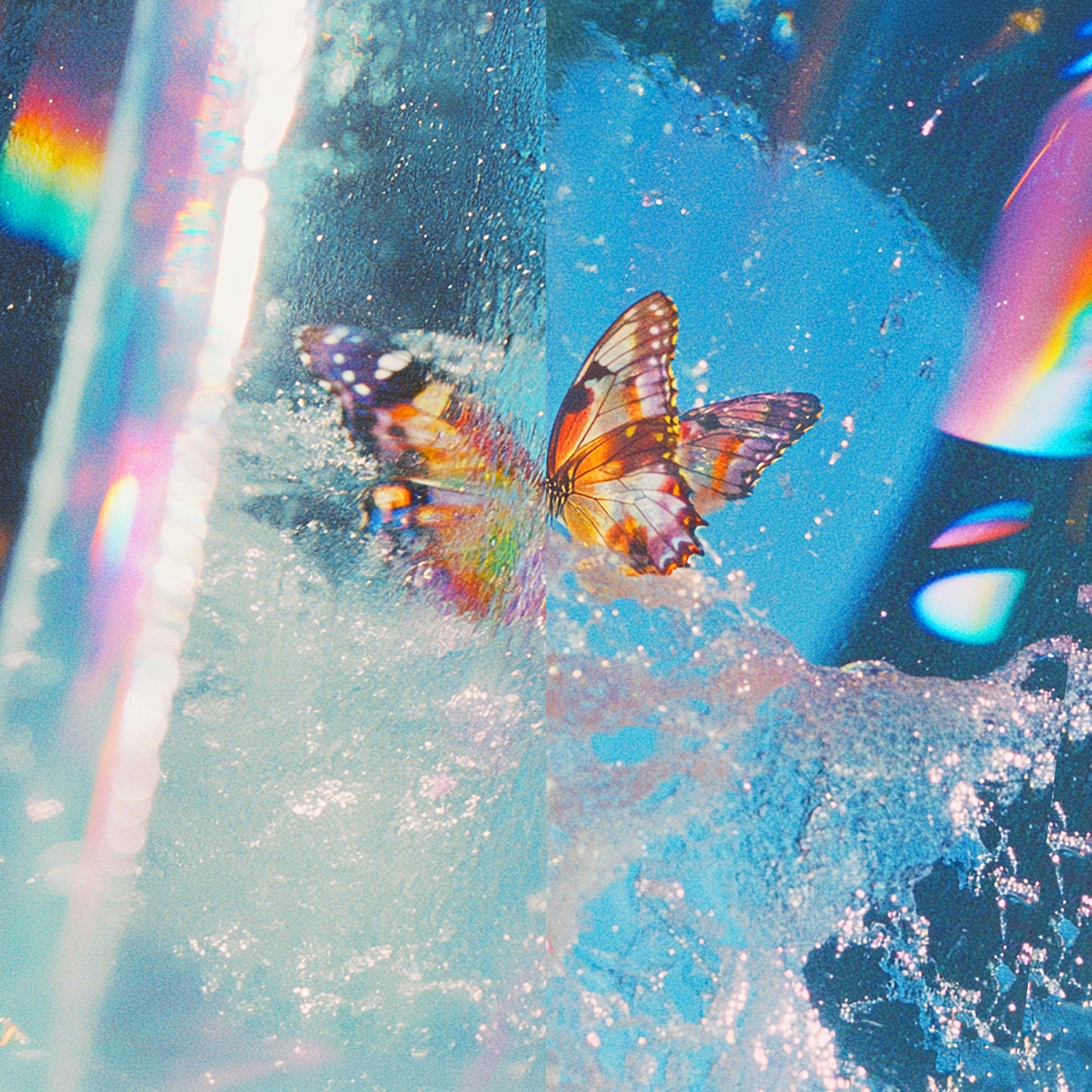
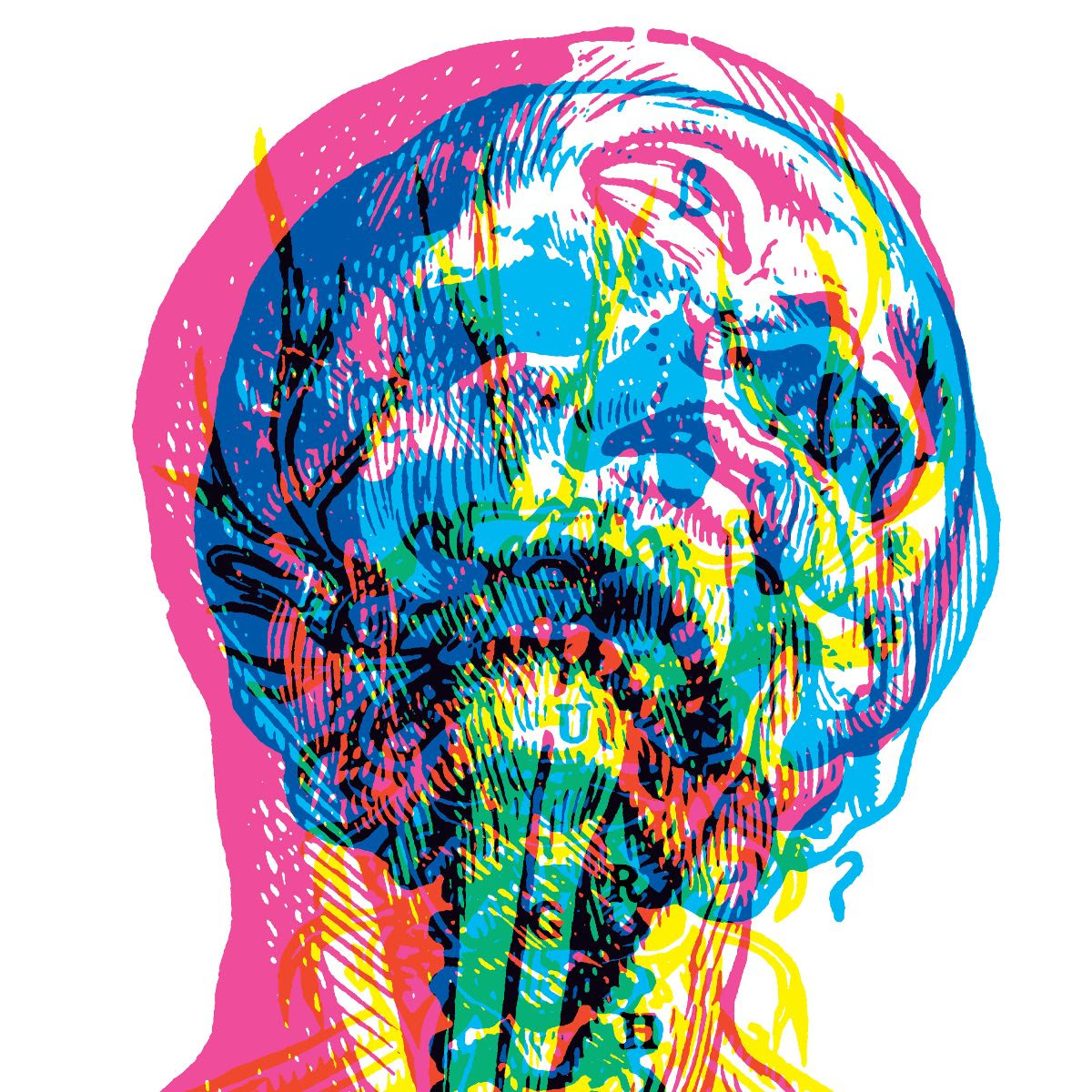
Daphni – Butterfly (Jiaolong)
Dan Snaith continues to blur the line between Caribou and his more club-oriented alter ego, Daphni. Don’t sweat the distinctions, just dance.
What’s the difference between Dan Snaith’s two projects, Caribou and Daphni? It’s getting harder and harder to tell. Caribou started out as psych rock, then morphed into danceable but still song-based electronic pop. Daphni, which first appeared in the early 2010s, was more about pure club music — sample-based, instrumental, and largely free of vocals. But Caribou blurred the lines with 2020’s Suddenly and nearly erased them with 2024’s Honey. Now the new Daphni album includes a disco banger, “Waiting So Long,” that “features Caribou.”
Dan says, “I’m not in the midst of some existential crisis; I haven’t, hopefully, slipped too deep into the welcoming waters of the pool of Narcissus; I don’t agonise about what track ends up under what alias — in fact, the opposite. I worry about it less than ever and just go with my gut instinct.” That’s probably good advice for anyone — probably only nerds like myself worry about this stuff anyway.
Butterfly is good-time club music, first and foremost, in the lineage of Daft Punk and Basement Jaxx, crammed with crowd-pleasing hooks, big drops, and ecstatic moments. Dan is really good at this, and if he’s not stressing it, neither should you. Just turn it up and dance.
—
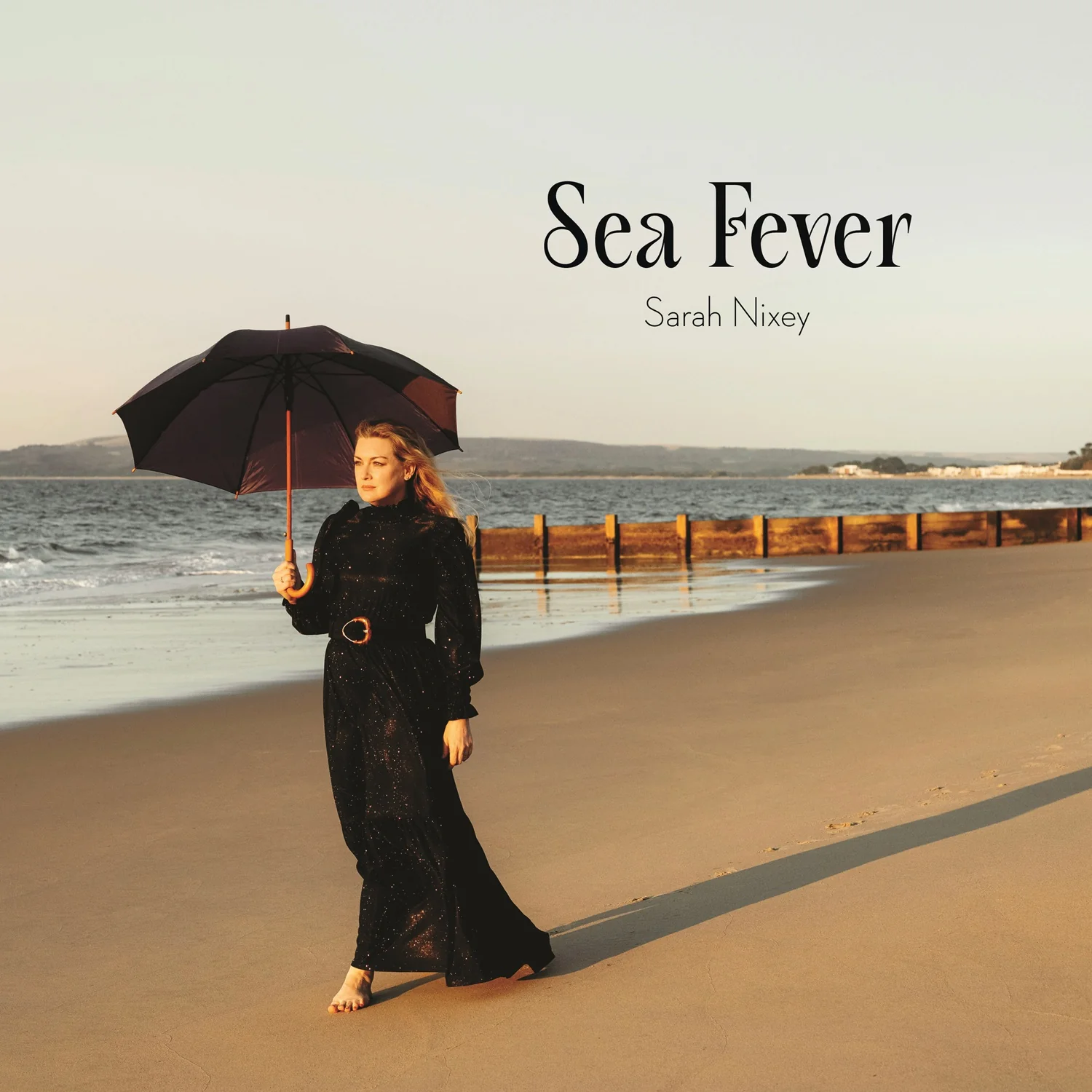
Sarah Nixey – Sea Fever (Black Lead Records)
Lush, electronic orchestral pop is the mood on the former Black Box Recorder singer’s first solo album in eight years
With her dry, erudite vocal style, Sarah Nixey was the ice queen front to millennium-era UK synth trio Black Box Recorder (rounded out by The Auteurs’ Luke Haines and former Jesus and Mary Chain bassist John Moore, to whom she was once married), bringing songs like “Child Psychology” and “The Facts of Life” to chilly life. Since the group called it quits in 2003, she’s continued to make arch, elegant pop — sporadically — as a solo artist. Sea Fever is her fourth album and her first in eight years. Like her previous two, it was written and performed almost entirely by Nixey and co-produced by her current husband, Jimmy Hogarth, who plays in ANOHNI and the Johnsons and has worked with Duffy, Amy Winehouse, Corinne Bailey Rae, and more.
Sea Fever’s sonic mise-en-scène is perfectly detailed — a dark, downtempo world pulsing with synthesizers, gently arpeggiated acoustic guitar, and percussion straight out of a ’60s Serge Gainsbourg record. It’s the ideal setting for Nixey’s breathy, talky vocal style — a bit like Jarvis Cocker if he were a woman and never lost control of his emotions.
It’s also clear that this album, featuring songs with titles like “The Sound of Falling Snow,” “At the Edge of the Forest,” “Winter Solstice,” and “Spring Equinox,” is perfect for a February release when you might be listening somewhere warm while watching a whiteout from your window.
—
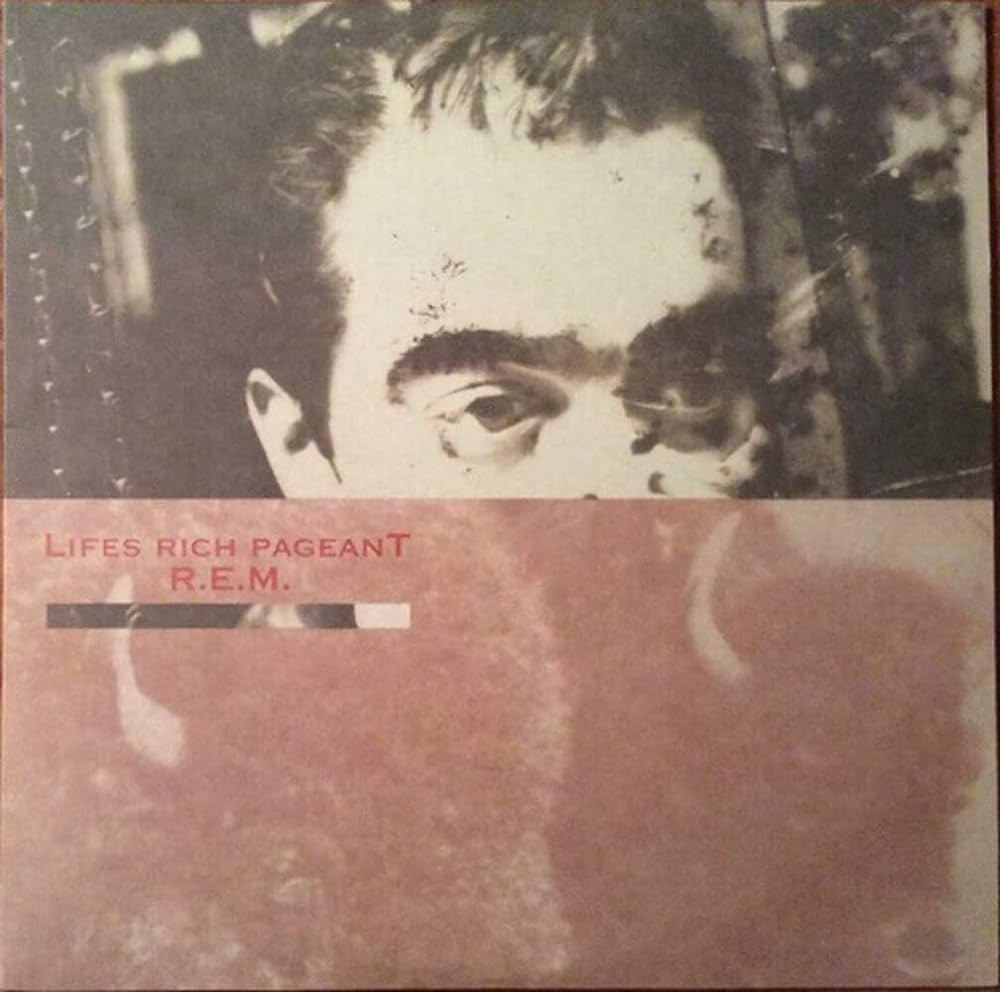
INDIE BASEMENT CLASSIC: R.E.M. – Life’s Rich Pageant (1986, IRS Records)
A bridge between the underground and the charts, “Life’s Rich Pageant” is R.E.M. in full bloom. My personal favorite in their catalog.
After the one-two-three punch of Chronic Town, Murmur, and Reckoning that made them college radio superstars and spawned a legion of jangly imitators, R.E.M. faltered a bit with 1985’s Fables of the Reconstruction. Made in England with Nick Drake/Fairport Convention producer Joe Boyd, it’s by no means a bad record — there are a lot of great songs — but what looked like a promising match on paper ended up murky and withdrawn on record. For its follow-up, the band set out to make an anthemic rock album and turned to Don Gehman, best known for producing all of John Mellencamp’s albums up to that point.
What sounds now like an “uh-oh” combination turned out to be a great match, thanks in part to the band coming into the studio with an extremely strong batch of songs. Released on July 28, 1986, Life’s Rich Pageant was R.E.M.’s first album that sounded like the ’80s: big and brash with thunderous drums, power chords, lots of reverb, and some of their most immediate material to date. But it also still sounded like R.E.M., with the band both leaning into and pushing against Gehman’s high-gloss production style. This was their most hi-fi record to date — you could finally understand what previously mumble-mouthed Michael Stipe was singing — but it still felt restrained compared to most of what was on the radio. Still, R.E.M. had never done songs like “Begin the Begin,” roaring with feedback and a crunchy Peter Buck riff, or “These Days” with its fist-pumping, full-throated chorus. Even a song like “Hyena,” which could’ve slotted onto Reckoning, sounds transformed here.
Life’s Rich Pageant is loaded with all-timers: the swaying “Cuyahoga,” the sparkling “I Believe,” the waltzing “Swan Swan H,” the ecstatic rave-up “Just a Touch,” and the pretty folk ballad “The Flowers of Guatemala.” Then there’s “Fall on Me,” a definite Top 5 R.E.M. song, and one of many tracks on the album that showcases just how invaluable Mike Mills was — not just as a bassist, but as a vocal counterpoint to Stipe. Your emotions are stirred even if Stipe’s lyrics read like well-organized refrigerator magnet poetry. Mills also gets his first lead vocal on the fun (if superfluous) cover of The Clique’s late-’60s obscurity “Superman.”
I wouldn’t argue that Life’s Rich Pageant is R.E.M.’s best album, but it is my favorite — and also the first one I bought in real time, on the day it came out. It was also the last time you could feel like owning an R.E.M. record meant you were part of a secret club. The following year, they’d release Document and score their first Top 40 hit with “The One I Love.” But they were already ready to fly.
Michael Shannon, Jason Narducy & Friends will play Life’s Rich Pageant on tour starting February 11.
—
Looking for more? Browse the Indie Basement archives.
And check out what’s new in our shop.









 English (US) ·