
 1 month ago
11
1 month ago
11
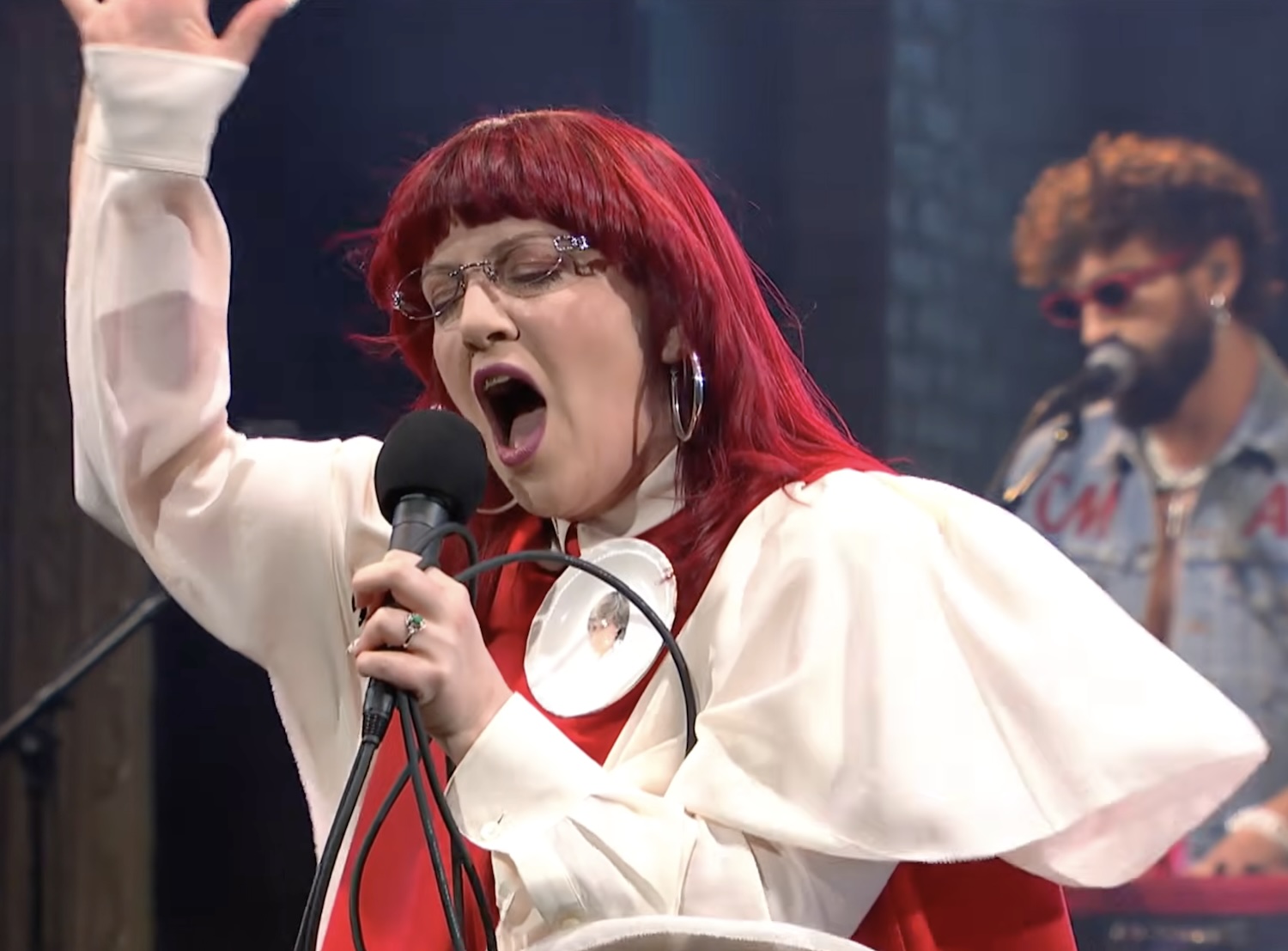
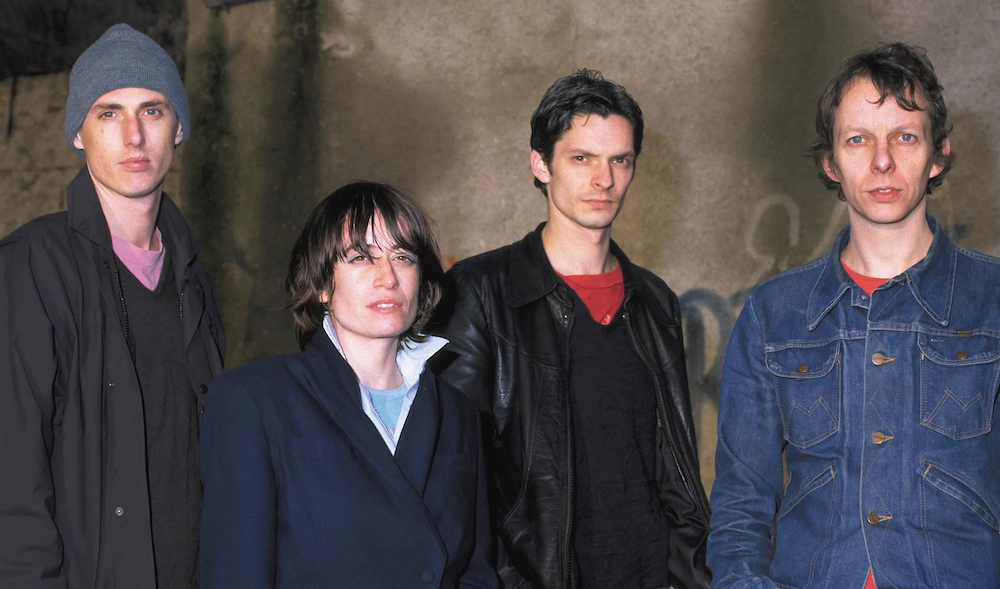
Comprised of Nina Cates (vocals/guitar), Zack James (percussion), Will Krulak (guitar), and Carney Hemler (bass), Robber Robber are pushing the needle forward when it comes to the indie rock and post punk output of Burlington, Vermont.
Shortly after their 2024 debut album Wild Guess put them on the map, founding members Cates and James were stoked to begin writing their follow-up. One day, a fire swept through their apartment complex. Miraculously, their unit was safe, but their landlord condemned the building. Neither member considered putting the album on hold. Instead, they let their circumstances guide the writing process. They chose to live in the uncertainty, bouncing between friends’ couches and an unused attic. This upheaval fueled disjointed streams of consciousness that would ultimately shape Two Wheels Move The Soul, their new album (out April 3). The result is jagged and unsettling, “cooked and over the top,” as Cates puts it.
On lead single “The Sound It Made”, Cates wades through catastrophe by patching together memories and journal entries from this period of turbulence, which she calls a “collection collage.” Restless drums entwine with nonchalant vocals until each element collapses under its own weight, a scorching indictment of feeling powerless to omnipresent forces. According to Cates, the benefit of writing lyrics and coming back to them later is identifying patterns in something she thought was otherwise disjointed.
A feeling that kept reappearing throughout the writing process was the pit in your stomach moments before disaster. Cates and James view Two Wheels Move The Soul as a response to this anxious period. Circumstances required them to think on their feet and accept their fate, not knowing what their lives would look like in two weeks. As a result, their studio became a sanctuary, offering respite from the unknowns. Working with longtime engineer Benny Yurco put them at ease.
The ruins of their apartment complex inspired a search for “a liminal space, something demolished or fluorescent” for the music video, recalls Cates. Director Wes Sterrs understood their vision of eerie, suffocating visuals and recalled a play he had seen on the abandoned floor of an office building in downtown Portland, Maine. “Wes found a floor of a building that someone had rented out years before, then gutted and bailed, so it's been hanging in this state of disarray,” says James. “ That's exactly what our apartment was like after the fire happened. Every other room in the building was gutted, down to the studs, but our unit was the only one that remained intact.”
Of the video, “it's nonlinear, and it's very distracted and overwhelmed,” Cates explains. “It was nice to have an outlet like that to put some of these weird feelings into. Most of it looks like a demolished site, with tarps and piles of debris. Then there's just this one boardroom that wasn't touched. It was perfect.”
Shots of the desolate boardroom punctuate chase scenes that evoke a foreboding disaster at the hands of a nameless corporate overlord. A glitchy Y2K aesthetic places the record in a ceaseless state of discomforting movement: “like when you leave a video game character idling, and it starts doing the avatar bounce and spinning around the environment,” Cates quips. It’s an apt location for an album, their first for Fire Talk Records, that weaves together abrasive textures and hodgepodge vignettes against a backdrop of post-industrial doom.










 English (US) ·