
 1 month ago
18
1 month ago
18
- Police sued Afroman for defamation, invasion of privacy, and emotional distress over some videos.
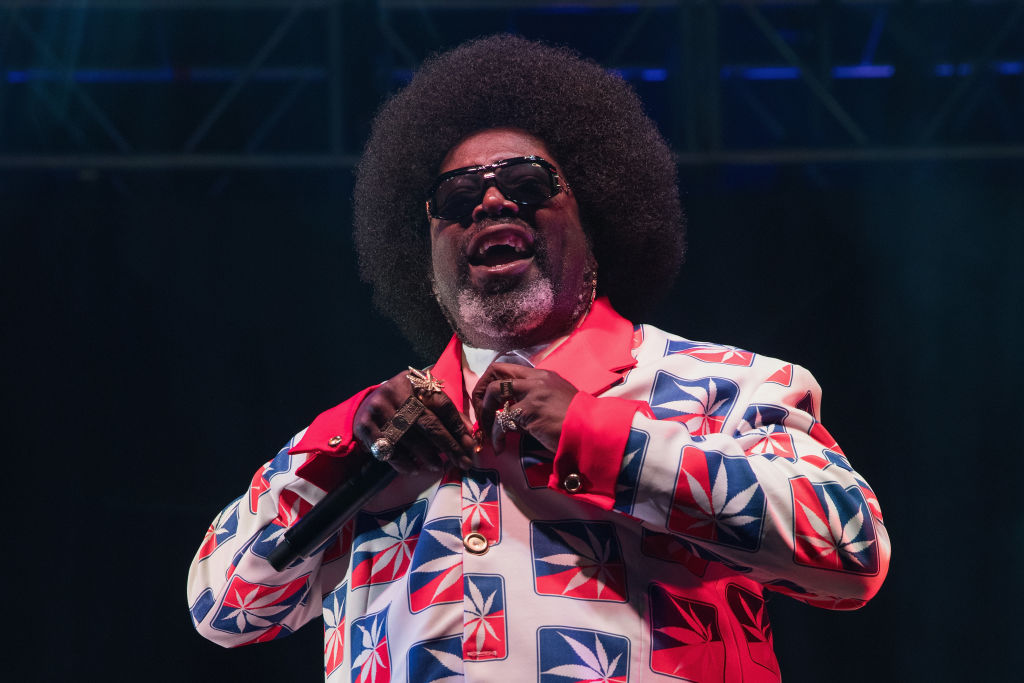 Source: Rick Kern / Getty
What makes the Afroman trial so fascinating is that it sits right at the intersection of rap, comedy, police accountability, internet culture, and the First Amendment. At the center of it all is Joseph Foreman — better known as Afroman — who is now in an Ohio courtroom because sheriff’s deputies say he crossed the line when he turned footage of a 2022 raid on his home into music videos, songs, social posts, and merch. As of Wednesday, March 18, 2026, the civil trial is still unfolding in Adams County, Ohio, so this is less a “final verdict” story and more a full breakdown of how a bizarre local raid became one of the strangest hip-hop legal battles in years.
To understand why this even became a case, you have to go back to August 21, 2022, when Adams County deputies raided Afroman’s Ohio home while investigating allegations tied to drugs and possible kidnapping. The search turned up no charges against him, but Afroman has long said the deputies damaged his property, tore through his home, and mishandled cash taken during the search, including his claim that about $400 never made it back to him. Local reporting says an outside review found no theft and said the money issue was a miscount. Still, the bigger point is that Afroman came away from the raid feeling violated, embarrassed, and financially stuck with damage he says law enforcement wouldn’t cover.
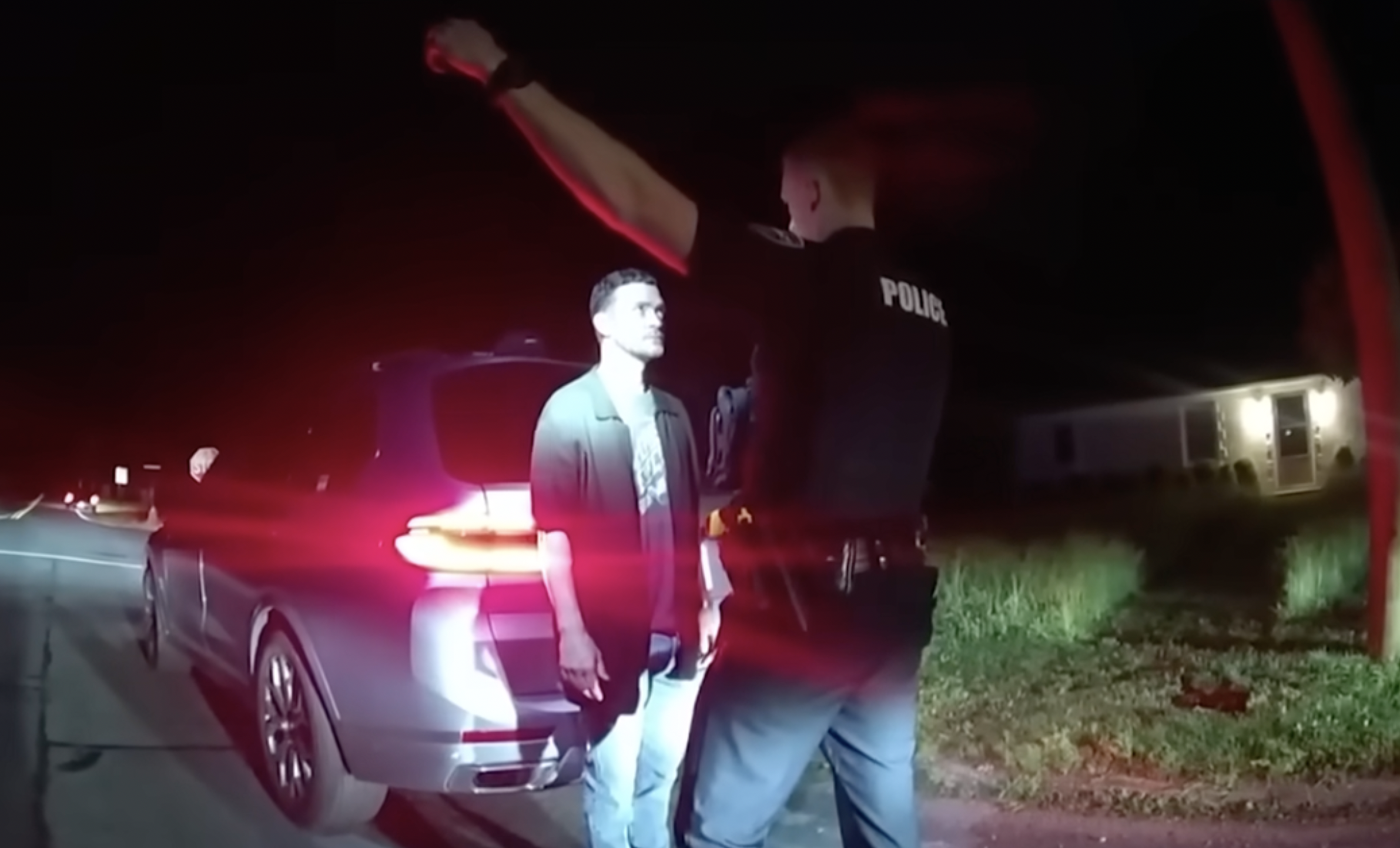
Instead of just complaining about it, Afroman did what Afroman does: he made content out of the chaos. He used footage from his own home security cameras in songs like “Lemon Pound Cake” and “Will You Help Me Repair My Door,” with the videos showing deputies entering his property, breaking down a door, and moving through the house with rifles drawn. Afroman’s side says he used that footage to tell his story and help pay for repairs, while the deputies say their faces and identities were put on blast in a way that turned them into internet jokes, invited threats, and damaged their reputations.
Love Hip-Hop Wired? Get more! Join the Hip-Hop Wired Newsletter
We care about your data. See our privacy policy.
That’s where the lawsuit comes in. Seven law enforcement officers sued Afroman in 2023, originally throwing multiple claims at him, including commercial use of their likenesses, invasion of privacy, false light, emotional distress, and defamation. But not every claim survived: the court dismissed the misappropriation-of-likeness claim, while the false light, invasion of privacy, and defamation claims were allowed to proceed to trial separately. FOX19 reported that Afroman’s own countersuit over property damage and related issues was dismissed ahead of this month’s trial. So, the case that’s being argued now is much narrower than the headlines sometimes make it sound, but it still carries a huge underlying question: how far can an artist go when criticizing cops using real footage from his own home?
This week’s courtroom moments are a big reason the story has gone viral all over again. Jury selection began on Monday, March 16, with testimony and opening phases rolling into the week. Afroman took the stand on Tuesday, March 17, telling the jury that “all of this is their fault” because, in his view, there would be no songs and no lawsuit if deputies had not wrongly raided his house in the first place. Meanwhile, some of the deputies testified that the videos and Afroman’s later online commentary brought ridicule, harassment, and even death threats. One deputy, Lisa Phillips, reportedly became emotional in court while footage tied to the case was played.
What makes this whole thing feel bigger than one weird lawsuit is that both sides are arguing about more than hurt feelings. The deputies are basically saying Afroman’s jokes, lyrics, and posts went beyond commentary and became harmful, false, and invasive. Afroman — backed publicly by free-speech advocates like the ACLU — is arguing the opposite: that this is protected criticism of government actors performing government work, and that using art to clown a fruitless police raid is exactly the kind of speech the Constitution is supposed to protect. That’s why this case has people locked in: on one side, it looks like a deeply unserious rap beef with law enforcement, and on the other, it could say something very serious about whether police can raid your home, end up on your cameras, and then sue you for embarrassing them afterward.
RELATED: Mystikal Pleads Guilty To Third-Degree Rape, Sentencing In June







 English (US) ·