
Alan Cumming has criticised the BBC for broadcasting a racial slur during last month’s BAFTA Awards, saying the decision “let down” viewers.
Cumming was hosting the awards show on February 22 when several involuntary tics from Tourette’s campaigner John Davidson – the subject of the biopic I Swear – were audible in the Royal Festival Hall.
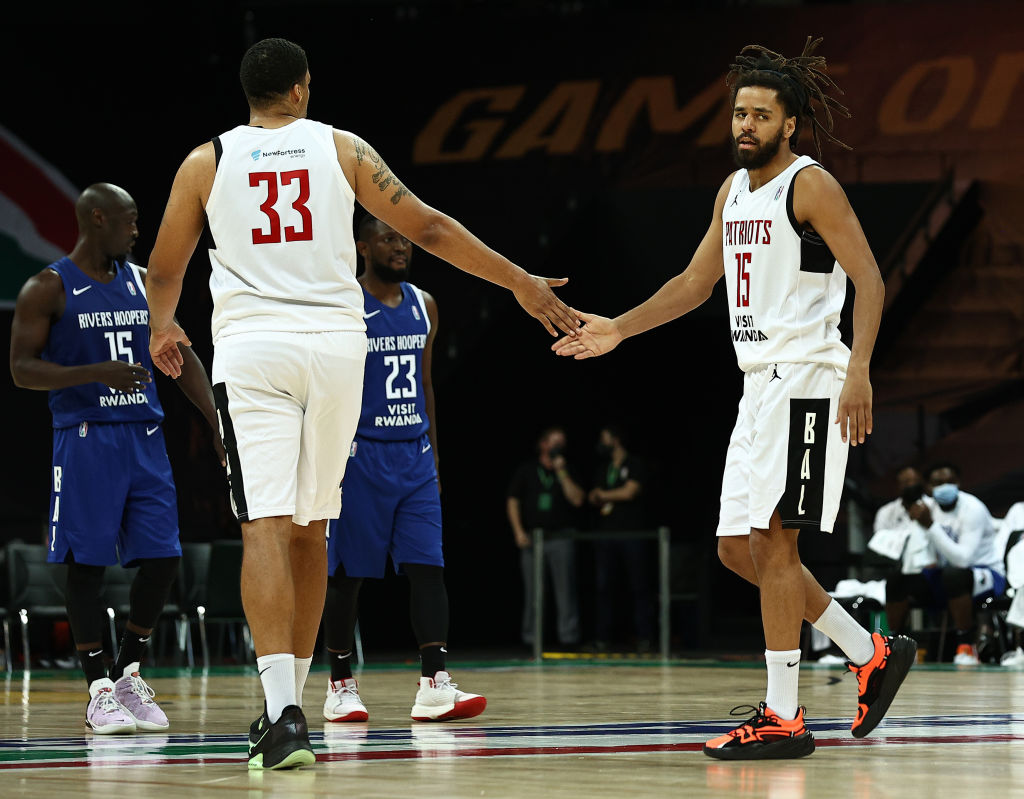
On one occasion, he was heard shouting the N-word while Sinners stars Michael B. Jordan and Delroy Lindo were presenting the award for Best Visual Effects, while he also said “shut the fuck up” during BAFTA chair Sara Putt’s speech, and “fuck you” to the directors of Best Children’s and Family Film winner Boong.
In the aftermath, both Davidson himself – who has apologised for the “pain and misunderstanding” his condition can create – and the BBC have been the subject of criticism. The broadcaster airs the BAFTAs with a two-hour delay and part of Akinola Davies Jr.’s acceptance speech including the remark “Free Palestine” was edited out, but it kept the racial slur in.
Posting on social media over a week after the event, Cumming apologised “for all the pain Black people have felt at hearing that word echoed round the world” and said he was “sorry the Tourette’s community has been reminded of the lack of understanding and tolerance that abounds regarding their condition”.
He added, “We were all let down by decisions to both broadcast slurs and censor free speech,” and continued: “The only good that can come from this is a reminder that words matter, that rushing to judgement about things we are not fully cognisant of is folly, and that all trauma must be recognised and honoured.”
The actor finished: “Congratulations to all the artists whose work was overshadowed by the night’s events”.
BBC’s executive complaints unit announced an investigation last week, describing the error as a “serious mistake”. The slur has since been removed from the version of the BAFTAs ceremony on BBC iPlayer.
BAFTA has also said sorry, explaining that it took “full responsibility” for putting its guests in a “difficult situation” and apologising to Jordan and Lindo as well as “all those impacted”.
Lindo, meanwhile, said that he wished “someone from BAFTA spoke to us afterwards”. Then, on stage at the NAACP Image Awards in California over the weekend, he told the audience: “We appreciate, I appreciate, all of the support and love we have been shown in the aftermath of what happened last weekend, it means a lot to us.
“It is an honour to be here amongst our people this evening, amongst so many people who have shown us such incredible support.
“And it’s a classic case of something that could’ve been very negative becoming very positive. Thank you so much for the support.”
For Davidson’s part, he said in a statement: “In addition to the announcement by Alan Cumming, the BBC and BAFTA, I can only add that I am, and always have been deeply mortified if anyone considers my involuntary tics to be intentional or to carry any meaning,” he added.
He went on to explain that I Swear, which won two awards on the night, “explains the origins, condition, traits and manifestations of Tourette Syndrome,” before concluding: “I have spent my life trying to support and empower the Tourette’s community and to teach empathy, kindness and understanding from others and I will continue to do so. I chose to leave the auditorium early into the ceremony as I was aware of the distress my tics were causing.”
Tourette’s syndrome causes sudden and involuntary sounds or movements, known as tics, and as explained by Tourette’s Action in a statement today, the tics are “not a reflection of a person’s beliefs, intentions or character” and are “neurological, not intentional”.
Davidson has had Tourette’s since he was 12 years old and as depicted in I Swear, he has become a celebrated campaigner, activist and educator on the subject.”
In other news, a Saturday Night Live sketch broadcast at the weekend proved controversial after it poked fun at the incident. In the PSA-style skit titled ‘Tourette’s,’ a host of actors portrayed celebrities notorious for courting their own controversies – among them J.K. Rowling, Mel Gibson, The Real Housewives of New York star Jill Zarin, Armie Hammer, Louis C.K., Bill Cosby and Ye – who claimed they suffer from Tourette’s.









 English (US) ·